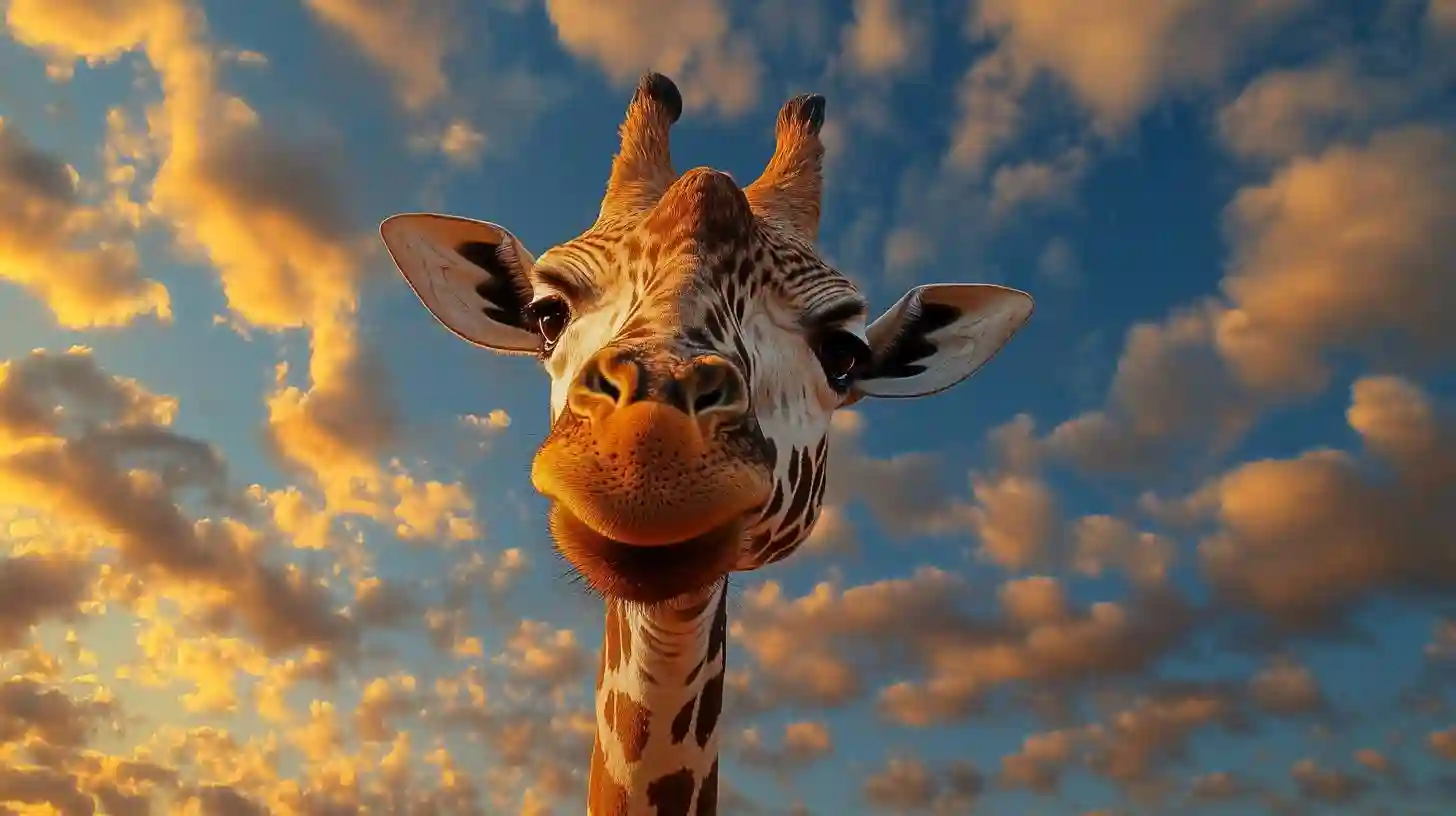
Giraffes, with their extraordinary height and distinctive markings, are marvels of the animal kingdom, often regarded as the tallest land animals on Earth. Africa's vast open savannas and woodlands are the primary habitats of these gentle giants, where they roam gracefully, reaching for the treetops to feed on leaves that most other herbivores cannot access. Their elongated necks, which can be nearly two meters long, are supported by a unique skeletal structure that allows them to reach high foliage and enjoy a diet primarily composed of acacia leaves, one of their favorites.
The unique morphology of giraffes is not merely for show; these adaptations serve numerous purposes. The height not only provides feeding advantages but also allows giraffes to survey their surroundings for potential threats. This elevated perspective is crucial in the wild, where predators like lions and leopards lurk, waiting for an opportunity to ambush unsuspecting prey. Giraffes are social animals and often found in loose herds that can vary in size, sometimes comprising numerous individuals, while at other times, smaller groups may engage in more intimate social interactions. They communicate through various vocalizations, including low grunts and hisses, as well as through body language, allowing them to maintain social bonds and coordinate movements within their herds.
The intricate pattern of spots on a giraffe's coat plays a significant role in their survival, providing not just camouflage among the dappled light of the forest but also aiding in temperature regulation. The distinct patterns are as unique to each giraffe as fingerprints are to humans, serving as a way for individuals to identify one another. Melanin levels in their skin determine the darkness of the patches, and while some might be light tan with dark brown spots, others may have a much darker, more vibrant appearance. Their beautiful spots are not just for aesthetics; they also help in thermoregulation by breaking up the heat on their bodies in the sweltering African sun.
Giraffes have adapted to live in herds and to interact in several ways, including grooming one another as a sign of affection and bond strengthening. Their social structures can sometimes be complex; older females often serve as matriarchs, leading the herd and guiding the younger members. Gestation in giraffes is lengthy, typically lasting over a year, resulting in the birth of a single calf which is usually around six feet tall at birth. Calves are vulnerable immediately after birth but quickly learn to navigate their environment, using the protective presence of their mothers and the rest of the herd for safety.
Despite their towering stature and impressive presence, giraffes face numerous challenges in the wild. Habitat loss due to human encroachment, agricultural expansion, and poaching threaten their populations. Conservation efforts have become increasingly important as giraffes are classified into several subspecies, some of which are at significant risk of extinction. Organizations dedicated to wildlife preservation are working tirelessly to create protected areas, educate communities about the importance of giraffes in ecosystems, and implement sustainable practices that empower local populations while preserving wildlife.
Giraffes are surprisingly graceful animals. They exhibit a unique walking style known as "pacing," where both legs on one side move forward simultaneously, followed by the legs on the other side. This distinct gait, coupled with their long necks, gives them a regal appearance as they traverse the landscape. When they run, they can reach impressive speeds, making them capable of escaping predators despite their ungainly appearance. Their ability to maintain high speeds over short distances is crucial when threatened, although they generally prefer to rely on their height rather than sheer speed to evade danger.
In a thriving African ecosystem, giraffes play a vital role in maintaining the balance of their habitat. Their feeding habits help control the growth of trees and shrubs, allowing other plant species to flourish and promoting biodiversity. By selectively browsing on certain branches, they create spaces for sunlight to reach the lower vegetation, enabling a rich tapestry of life to thrive beneath the canopy. This ecological impact highlights the importance of preserving not only the giraffe populations but also their habitats to maintain the delicate balance of the ecosystems that support a wide range of species.
Giraffes, with their astonishing physical characteristics and significant roles within their ecosystems, continue to captivate people around the world. Their long necks, enchanting eyes, and playful demeanor ensure that they remain a symbol of the majestic wildlife that represents the beauty of Africa. Observing these elegant creatures in their natural surroundings serves as a powerful reminder of the importance of conservation efforts to safeguard their future and the health of the ecosystems in which they live. As we strive to protect our planet’s rich biodiversity, giraffes will forever be a symbol of the untamed beauty and wonder of the African savanna.