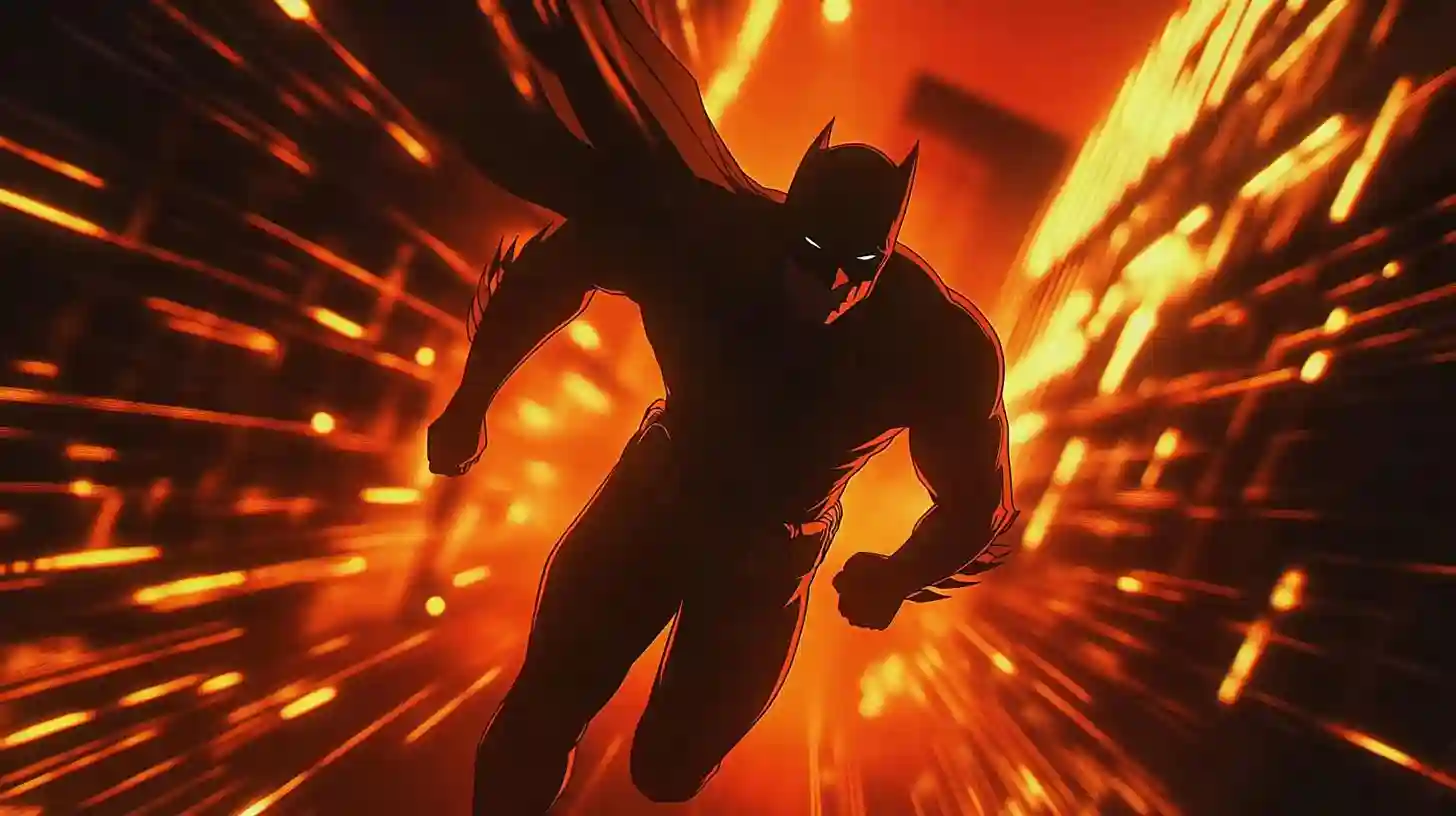
Batman, one of the most iconic characters in comic book history, has experienced a remarkable evolution since his debut in the late 1930s. Initially created by artist Bob Kane and writer Bill Finger for Detective Comics, Batman emerged as a dark avenger, starkly contrasting with the Superman persona that dominated the superhero genre at the time. His inception was reflective of a broader societal need for redemption and justice amid the turbulence of the Great Depression. With his distinctive cape and cowl, Batman offered a blend of human vulnerability and extraordinary capability—a character propelled not by superhuman powers but by his intellect, determination, and advanced technology.
Over the decades, Batman's narrative underwent significant transformations, adapting to the cultural contexts of each era. The character's early stories were imbued with a noir sensibility, emphasizing his origin as Bruce Wayne, a child traumatized by the murder of his parents. As the years progressed, particularly during the 1950s, Batman’s stories began to take a lighter turn, heavily influenced by the pop culture of the time. The delightful adventures of Batman and Robin captured the imagination of young readers, leading to a more playful interpretation of the Dark Knight. This shift culminated in the legendary 1960s television series starring Adam West, which became a cultural phenomenon with its campy humor and catchy catchphrases.
Yet, Batman’s identity remained multifaceted, capable of adapting to darker narratives. The 1970s heralded a significant shift in the comic’s tone, with graphic novels like "The Dark Knight Returns" written by Frank Miller re-establishing Batman's gritty, noir roots. This matured outlook coincided with a growing acceptance of complex storytelling in the comic book medium, aligning Batman’s struggles with larger themes of morality, democracy, and vigilantism. Miller’s work explored the psychological aspects of Bruce Wayne’s character, presenting him as a tortured figure grappling with his moral code in a society rife with corruption.
The evolution of Batman attained new heights with the advent of animated adaptations in the late twentieth century. Bruce Timm and Paul Dini revitalized the character through "Batman: The Animated Series," which premiered in the early 1990s. This series redefined superhero animation, asserting a central narrative emphasizing character depth, sophistication, and a dark visual aesthetic known as "Art Deco Gotham." The show garnered critical acclaim, enhancing the Batman mythos and appealing not just to children but to a wider audience. Harley Quinn, introduced as a side character, became a cultural icon in her own right, showcasing the possibly limitless reach of Batman’s universe.
As the turn of the millennium approached, Batman transitioned into the realm of live-action films, gaining both commercial success and critical praise. Tim Burton's 1989 “Batman” film was significant in establishing the modern superhero film genre, blending gothic visuals with nuanced storytelling. Following this, Christopher Nolan's "The Dark Knight Trilogy" transformed Batman into a symbol of philosophical exploration, tackling concepts such as fear, chaos, and morality. Nolan’s interpretation resonated with audiences, prioritizing realism and complex narratives while addressing societal issues. The climax culminated in "The Dark Knight," showcasing Heath Ledger’s chilling portrayal of the Joker—a stark reminder of the duality within Batman's world.
In recent years, Batman's evolution has transcended the confines of traditional storytelling, finding a new medium in anime. The 2008 Japanese animated film "Batman: Gotham Knight," offered a unique blend of western and eastern animation, presenting Batman’s narrative through various artistic styles. This effort celebrated the collaborative potential of global storytelling, emphasizing that Batman's ethos resonates across cultures. The anime medium has allowed for innovative storytelling approaches, exploring themes of identity, justice, and the line between hero and vigilante.
Moreover, the rise of video games featuring Batman, notably the "Arkham" series, allowed fans to engage with the character in immersive experiences. These games provided a platform for dynamic storytelling, enabling players to embody the Dark Knight, experiencing his world firsthand.
Batman’s journey from comic strip to anime exemplifies a character that has continually adapted to meet the needs of each generation. His evolution is not merely a reflection of changing artistic trends but rather a testament to the enduring appeal of a hero who embodies the struggle against darkness and the fight for justice. Batman remains relevant, constantly reinvented, offering not just entertainment but also a lens through which we examine our society, morality, and the complexities of human nature. Through countless adaptations, Batman may wear various faces, but his role as a symbol of hope and justice persists, firmly rooting him within the cultural zeitgeist.