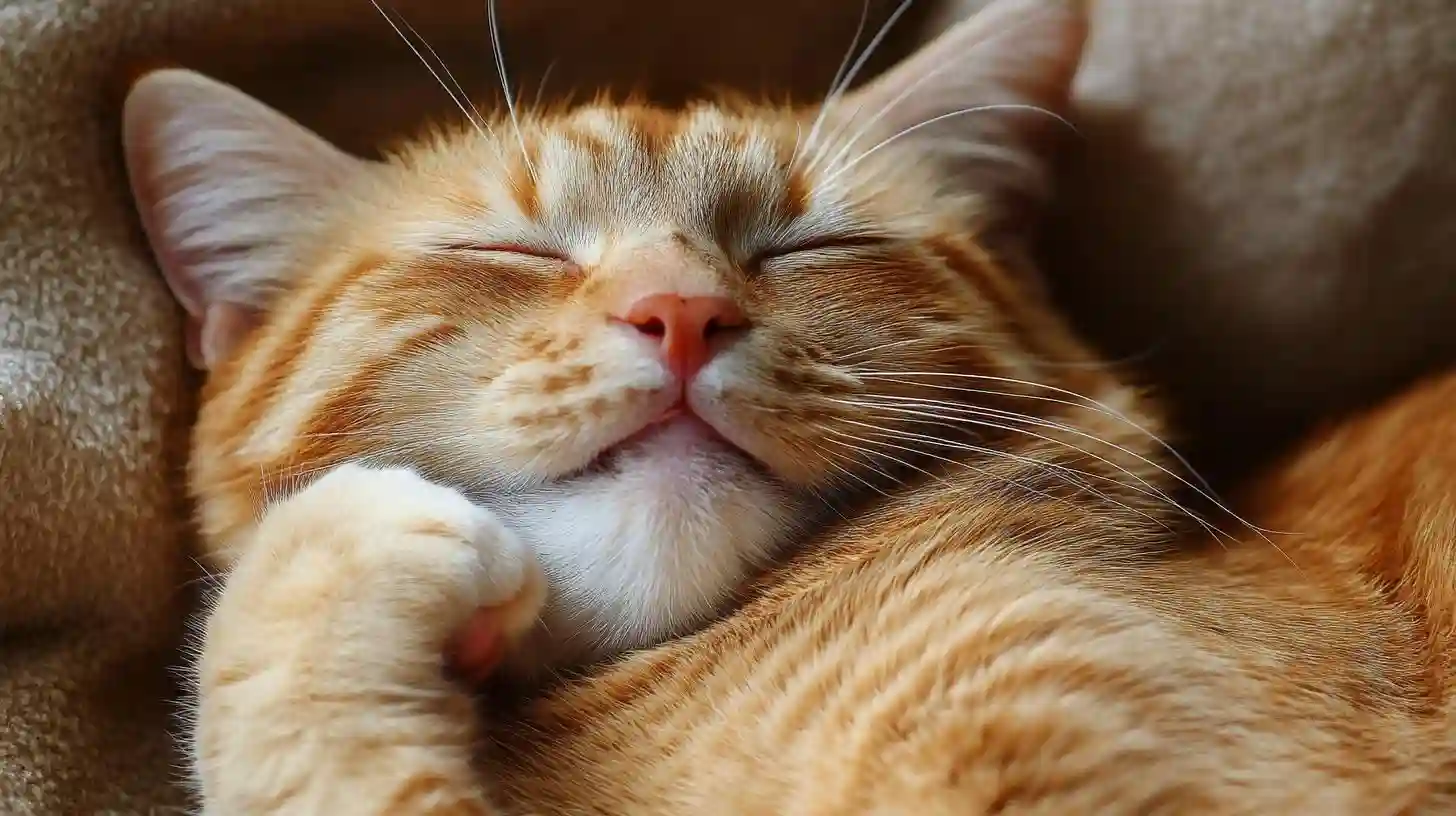
Cats are fascinating creatures, and one of their most endearing behaviors is purring. This soothing sound is often associated with contentment, but the science behind why cats purr is more complex than it appears. Experts have dedicated considerable time to exploring the reasons and benefits of this unique vocalization, unveiling a range of possibilities that extend beyond simple expressions of happiness.
One prevalent theory suggests that cats purr as a way to communicate with their owners and other felines. Unlike barking or meowing, purring produces a low-frequency sound that can carry over a significant distance. This suggests that purring could serve as a signal of reassurance in social interactions, especially in the case of a mother cat and her kittens. While a kitten is still nursing, the gentle vibration of purring not only communicates safety but also helps to establish a bond between mother and offspring. As cats grow older, they may continue to purr in various situations, indicating a desire for connection or an expression of comfort.
Another critical aspect of a cat's purring is its relationship to stress and anxiety. When faced with stressful situations, such as visits to the veterinarian or encounters with unfamiliar environments, cats may begin to purr. This behavior could be a self-soothing mechanism that helps them cope with anxiety. In addition, some studies suggest that the vibrations produced by purring may have healing properties. Cats have a unique ability to lower their heart rates and relax their bodies while purring, which can mitigate stress and potentially aid in recovery from injuries. This notion has intrigued researchers and pet owners alike, pondering the therapeutic benefits of a cat's presence during stressful moments.
The frequencies associated with purring also hold significant interest among scientists. The sound produced typically falls within a range of twenty-five to one hundred fifty Hertz, the same frequency range that has been linked to the promotion of healing in bones and tissues. Some experts argue that the vibrations produced during purring may stimulate the production of growth factors and aid in the healing process. This phenomenon is not just conjecture; it has led to growing interest in the idea of incorporating cats into therapeutic settings, such as hospitals or rehabilitation centers, where the calming effects of purring could provide emotional and physical support to patients.
While purring is commonly associated with feelings of happiness and calmness, it is important to note that not all purring indicates contentment. Cats are complex animals, and their purring can also signify pain or discomfort. For instance, many cats will purr when injured or unwell, possibly to comfort themselves or signal distress to their owners. This duality serves as a reminder that understanding a cat's physical and emotional state requires paying attention to additional body language, vocalizations, and behavioral cues. By fostering a deeper understanding of what purring might convey, cat owners can better respond to their pets' needs and concerns.
Moreover, the social dynamics surrounding purring extend beyond just communication between cats and humans. Feral cats have been observed purring in social groups as a way to bond with one another, highlighting its role in social cohesion. This suggests that purring can strengthen relationships among cats, whether they are forming connections with their feline companions or reassuring their human families.
The scientific exploration of purring has generated exciting implications for the human-animal bond and the potential benefits of having cats in our lives. Many pet owners report that spending time with their feline friends, particularly during moments of purring, evokes feelings of relaxation and tranquility. The act of petting a purring cat can significantly reduce stress levels and promote a sense of well-being, further underscoring the importance of these behaviors in our interactions with animals.
As research continues to delve into the intricacies of feline vocalizations, the science behind cat purring remains a captivating subject, encompassing a spectrum of meanings from contentment to healing. Understanding this iconic behavior deepens our appreciation for our feline companions and reinforces the idea that their presence enriches our lives in multifaceted ways. The more we learn about our cats and their purring, the stronger our bond with them becomes, creating a harmonious relationship grounded in mutual understanding and affection.