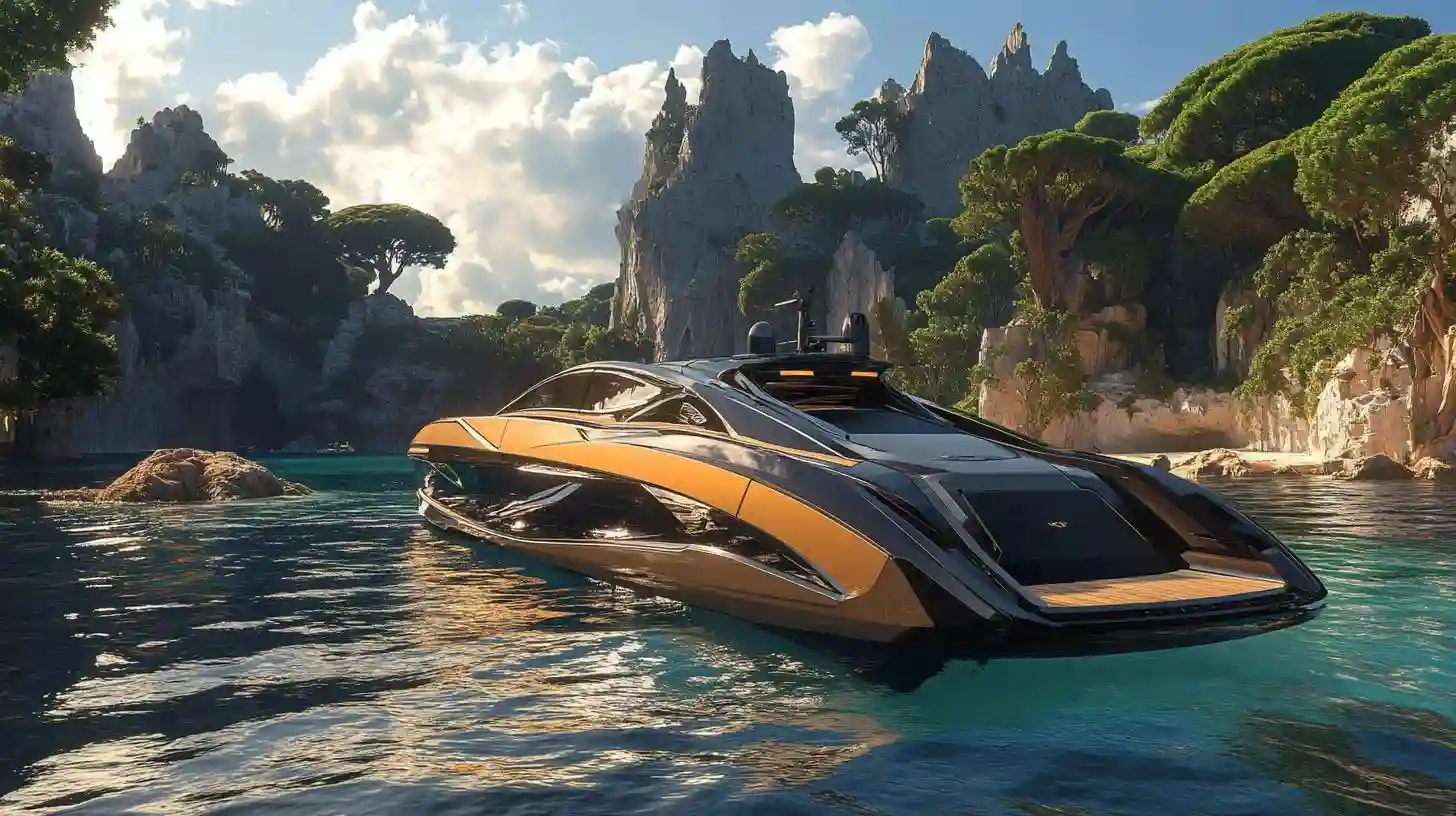
Modern motorboats have undergone a remarkable transformation in recent years, buoyed by technological advancements that enhance performance, safety, and user experience. Innovations in engineering and design have not only improved efficiency and power but also introduced a host of new features that elevate the boating experience to unprecedented levels. As boating enthusiasts increasingly demand more from their vessels, manufacturers are rising to the occasion with cutting-edge technologies that cater to both seasoned mariners and novice boaters alike.
One of the most significant advancements in modern motorboats is the development of lightweight materials and superior hull designs. Traditional fiberglass hulls are now often complemented or replaced by composite materials that reduce weight while increasing strength. This innovation allows boats to achieve higher speeds with reduced fuel consumption, making them more efficient on the water. Coupled with hydrodynamic hull shapes, these designs minimize drag, allowing for improved maneuverability and reduced fuel costs. The incorporation of computer-aided design (CAD) and computational fluid dynamics (CFD) technologies has enabled manufacturers to refine their hull shapes to enhance performance and stability, even in challenging conditions.
Powering these modern vessels is a new generation of engines that combine performance with environmental consciousness. Advanced outboard and inboard engines now utilize technologies like direct fuel injection and turbocharging to maximize power output while minimizing emissions. These engines also incorporate digital monitoring systems that provide real-time feedback on performance metrics, enabling boaters to optimize fuel usage and maintain engine health. Electric and hybrid propulsion systems are also gaining traction, appealing to eco-conscious consumers and offering benefits such as quieter operation and the potential for zero emissions while docked or cruising at low speeds. As charging infrastructure continues to improve, the shift toward electric propulsion systems is expected to gather momentum, paving the way for more sustainable boating practices.
The integration of advanced electronics and smart technology has transformed how boaters interact with their vessels. From navigation to entertainment, features such as touchscreen control panels, GPS chartplotters, and sonar systems provide an unprecedented level of detail and control. These systems often incorporate artificial intelligence to help with route planning and hazard detection, significantly improving safety on the water. Automated docking systems are also becoming a popular feature, allowing even inexperienced boaters to navigate tight marinas and difficult docking scenarios with confidence. The synergy between these electronic systems ensures that boaters can enjoy a seamless experience, focusing on the thrill of the journey rather than grappling with complex controls.
Connectivity is another key area where modern motorboats are making strides. Many vessels now come equipped with onboard Wi-Fi and cellular technology, allowing boaters to stay connected even in remote locations. This capability not only enhances safety through improved communication but also enables entertainment options that were previously unavailable while at sea. Streaming videos, accessing social media, or even handling work emails while on board has become a reality for many avid boaters. This level of connectivity fosters a new culture of "boating as a lifestyle," where the lines between work and leisure continue to blur.
Safety features have also received significant attention in the evolution of modern motorboats. Innovations such as collision avoidance systems and enhanced onboard cameras improve situational awareness, helping boaters navigate busy waterways more safely. Additionally, safety gear such as personal flotation devices and distress signaling technologies are now often integrated into the boat itself, ensuring that emergency equipment is not only accessible but also up to date. The use of materials with improved visibility, such as high-contrast paint and reflective surfaces, also enhances safety, making vessels more noticeable to other boaters and reducing the risk of accidents.
Moreover, customization options have become increasingly sophisticated, allowing boat owners to tailor their vessels to their specific needs and tastes. Modular designs enable the addition of various features and amenities, from fishing gear to luxury seating arrangements. This flexibility is particularly appealing to those who wish to adapt their boats for different activities, be it leisure cruising, fishing, or water sports. Interior designs are also reflecting modern sensibilities, with options for high-quality finishes, ergonomic layouts, and multifunctional spaces that maximize comfort.
As the bounds of technology continue to expand, the future of motorboats looks promising. From renewable energy sources to the potential for autonomous navigation, the possibilities are seemingly limitless. Boaters can expect a continuous enhancement of their experiences on the water, driven by an ever-evolving landscape of technological advancements. The modern motorboat is not merely a mode of transportation but rather a reflection of innovation, sustainability, and the pursuit of exhilarating adventure on the water. As these advancements continue to emerge, boaters are sure to enjoy a thrilling ride into the future of maritime exploration.