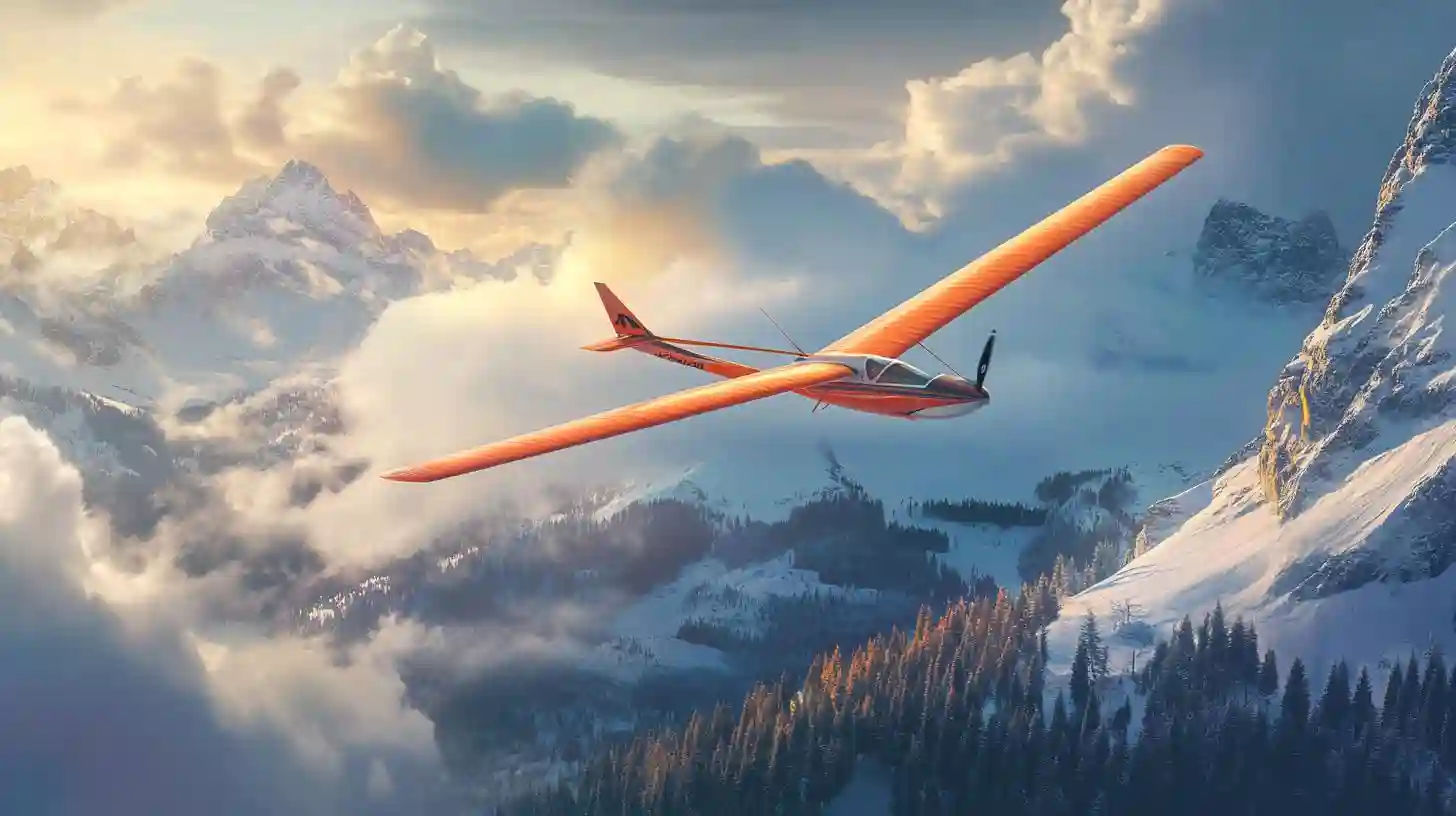
Gliders are an intriguing aspect of aviation that often blurs the lines between conventional aircraft and a unique form of flight. To the uninitiated, gliders might seem like simple planes, but they possess distinct characteristics that set them apart in the realm of aviation. At their core, gliders are engineless aircraft designed for soaring through the air, relying solely on aerodynamic lift and natural air currents for flight.
The design and structure of gliders play a pivotal role in their ability to soar. Unlike powered airplanes that are typically equipped with robust engines, gliders are built for efficiency and lightweight performance. Their elongated wingspan is crucial, as it contributes significantly to their lift-to-drag ratio, enabling them to glide for long distances with minimal energy expenditure. The sleek and often streamlined shapes of these aircraft reduce drag, allowing them to maintain altitude and travel without the constant propulsion of an engine.
One fascinating aspect of gliding is the use of thermals, which are rising columns of warm air. Glider pilots harness these natural phenomena to gain altitude and extend their flights. By circling within thermals, gliders can ascend thousands of feet without using any fuel, creating a thrilling experience that connects pilots to the beauty of nature. This reliance on natural energy distinguishes gliding from powered flight and introduces an element of skill and strategy that is deeply appealing to enthusiasts.
In addition to thermals, gliders can take advantage of other atmospheric features like ridge lift and wave lift. Ridge lift occurs when wind hits a mountain or ridge and is forced upward, allowing gliders to gain altitude along those geographical features. Wave lift, on the other hand, is generated by more complex atmospheric conditions, often seen at the edges of mountain ranges, where the air is forced upward in waves. Learning to read and utilize these natural resources requires practice and experience, making gliding not only a test of a pilot's skill but also their understanding of meteorological principles.
The sense of community within the gliding world is another fascinating element. Unlike many forms of aviation that can be solitary pursuits, gliding often fosters a strong camaraderie among enthusiasts. Glider clubs and schools nurture this community spirit, encouraging not just the sharing of technical knowledge but also the social aspects of flying. Events such as cross-country competitions and soaring contests cultivate a sense of friendly rivalry and shared passion for the art of flight. New pilots often find mentors to guide them through the learning process, creating bonds that can last a lifetime.
From an educational perspective, gliding serves as an excellent entry point into the world of aviation. Many aspiring pilots begin their journey in gliders, where the emphasis on aerodynamics and flight mechanics lays a solid foundation for future training in powered aircraft. The training required to become a proficient glider pilot focuses heavily on developing situational awareness, which is crucial in understanding how to navigate the skies without an engine. This training often instills a deep respect for the elements and the importance of planning, as every flight must be carefully considered based on current weather conditions and terrain.
Gliders come in various designs, catering to different preferences and styles of flight. Some gliders are built for maximum performance, capable of covering great distances and achieving impressive altitudes, while others are designed for more leisurely flying experiences. Each type features unique characteristics that appeal to different types of pilots, whether they seek competitive challenges or serene explorations of the sky. The evolution of gliders has also led to significant advancements in materials and technology, making modern gliders stronger, lighter, and more efficient than ever before.
Despite their simplicity, the principles governing gliders encompass a blend of art and science. Pilots must develop a deep understanding of aerodynamics, meteorology, and navigation, making gliding a comprehensive educational experience. This integration of knowledge and skill contributes to the allure of gliding, as pilots continuously seek to improve their proficiency and experience the thrill of soaring. Each flight presents a new challenge, a new lesson in the subtleties of flight mechanics, and a chance to connect with the vastness of the sky.
Gliders embody the spirit of flight in its purest form, offering a unique blend of serenity and excitement that is difficult to find in other aviation experiences. They represent a harmonious relationship between humans and nature, reminding us of the beauty and complexity of the atmosphere. Whether gliding over rolling hills or cutting through cumulus clouds, the experience is one of freedom, connection, and unadulterated joy in the art of flight.