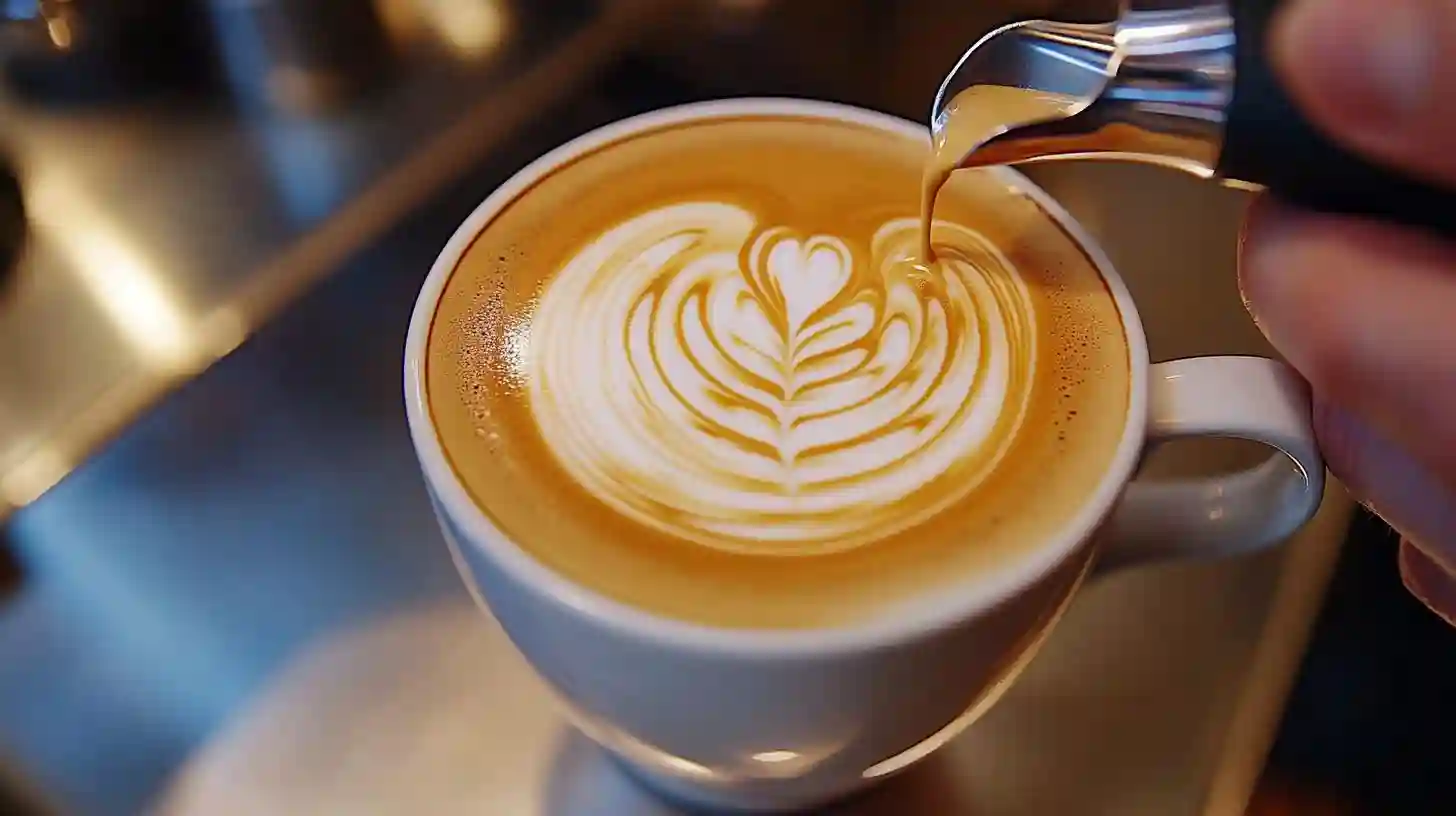
Latte art is a captivating blend of craft and creativity that has transformed the humble coffee experience into an artistic display. Starting with just a simple foam created from steamed milk, latte art has evolved into a sophisticated skill enjoyed by baristas and coffee enthusiasts around the globe. In understanding this phenomenon, it is essential to explore the historical backdrop, the techniques employed, and the cultural significance behind this seemingly simple act.
The origins of latte art date back to the late twentieth century, primarily emerging from the coffee culture in Italy and the broader espresso scene. While the precise roots are somewhat cloudy, it is generally accepted that the practice gained traction in the United States during the specialty coffee revolution of the 1980s and 1990s. As espresso machines became more accessible and robust, baristas began experimenting with milk frothing techniques that allowed for the creation of decorative patterns on the surface of a latte. This movement transformed coffee from a mere beverage into a canvas for artistic expression, inviting people to appreciate the aesthetics of their drinks even before the first sip.
To create latte art, a vital understanding of milk steam techniques is essential. Baristas need to master the frothing process to achieve the perfect microfoam, which is comprised of tiny, uniform bubbles that create a smooth texture. This involves heating the milk to the right temperature and incorporating air at the perfect angle in the steaming pitcher. The goal is not just to create a frothy topping but to enhance the flavor and mouthfeel of the overall drink. The milk's sweetness balances the espresso's bitterness, resulting in a harmonious blend that serves as the foundation for the artistry that follows.
Once the milk is frothed to perfection, the next step involves the pouring technique. Baristas use a method called “free pouring” to create designs on the surface of the latte. By tilting the cup and pouring the milk from a particular height and angle, they can manipulate the flow of the foam to create various shapes and patterns. The most common designs include hearts, rosettas, and tulips, each requiring varying levels of skill and precision. The beauty of latte art lies in its impermanence; every cup is unique, with factors like pouring speed, angle, and even ambient temperature influencing the final outcome. This ephemeral quality adds an extra layer of appreciation, as each creation exists only for a moment, destined to be consumed.
The growth of social media has also played a significant role in popularizing latte art. With platforms like Instagram providing a space for coffee lovers to share their experiences, baristas have been inspired to elevate their craft. Artists and enthusiasts alike showcase their skills, competing to create more intricate and visually stunning pieces. This has led to a surge in latte art competitions worldwide, where baristas demonstrate not only their technical skills but also their creative flair. These competitions serve as a platform for baristas to connect, share techniques, and inspire one another, pushing the boundaries of what can be achieved in a coffee cup.
Beyond the technical skills and trends, latte art carries significant cultural implications. In many cafes, the presence of latte art elevates the entire coffee-drinking experience. It transforms a simple beverage into an engaging experience, inviting conversations and creating memorable moments among customers. This intersection of coffee and art encourages patrons to slow down, savor their drink, and appreciate the craftsmanship involved. In fast-paced urban environments, the act of enjoying a beautifully crafted cup of coffee becomes not just a moment of indulgence but a ritual that promotes mindfulness.
Additionally, latte art has sparked conversations about sustainability and ethical sourcing in the coffee industry. As consumers become more aware of the origins of their food and drink, many cafes are emphasizing the importance of using high-quality, ethically sourced beans. This alignment of artistry with ethics creates a deeper narrative behind each cup, encouraging coffee lovers to support businesses that prioritize sustainability.
As the journey from simple foam to exquisite latte art continues to evolve, it is evident that this practice is far more than a mere aesthetic trend. It encapsulates a blend of history, technique, and cultural significance that resonates with people worldwide. Each cup tells a story, reflecting the barista's dedication, creativity, and passion for coffee. The next time one admires a beautifully crafted latte art design, it is worth pausing to appreciate the skill and artistry that goes into creating that moment of joy and connection.