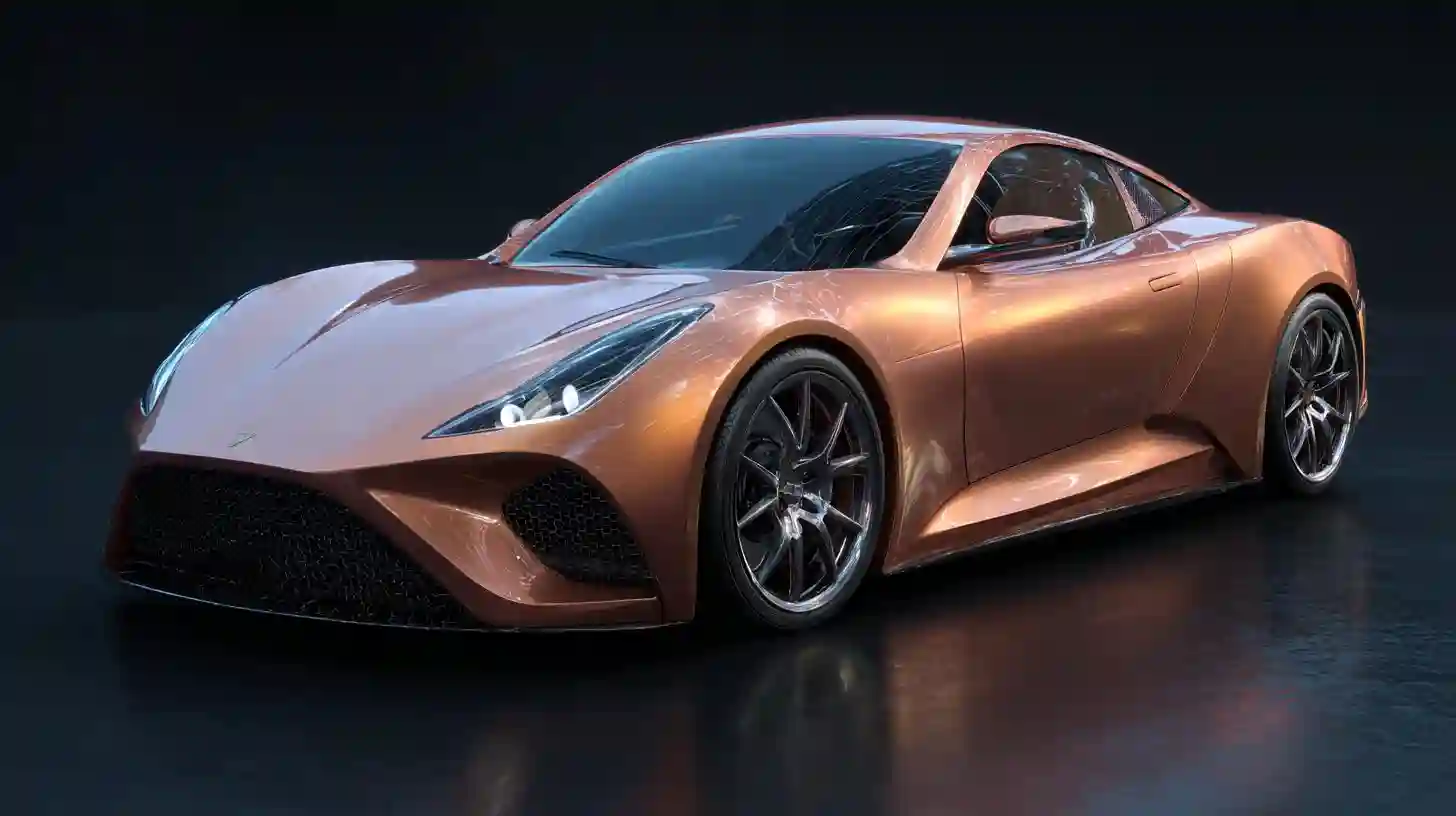
The Chinese automotive market has become one of the most influential in the world, with consumer preferences playing a crucial role in shaping car design. As China has grown into a global economic powerhouse, its middle class has rapidly expanded, and with this demographic shift, so have the tastes and expectations of Chinese car buyers. For car manufacturers, understanding these preferences is essential for success, as China represents a massive potential market where design choices can make or break a brand's presence.
One of the most noticeable trends is the strong preference for large, spacious vehicles. Given the increasing number of multi-generational families and the desire for comfort during long commutes or road trips, Chinese consumers often gravitate toward SUVs, sedans, and crossovers that offer ample legroom, a high seating position, and a luxurious interior. This demand has led to a significant shift in the design philosophy of many global and local automakers, who now prioritize interior comfort, user-friendly features, and cutting-edge infotainment systems.
Another key factor influencing car design in China is the growing emphasis on technology and innovation. Chinese consumers are highly tech-savvy and expect their vehicles to reflect the latest advancements in digital connectivity, autonomous driving features, and smart infotainment systems. This has driven car manufacturers to integrate features like advanced driver-assistance systems, artificial intelligence, and electric powertrains into their vehicle designs. Moreover, the Chinese market's affinity for eco-friendly technologies has accelerated the push toward electric vehicles, compelling companies to create stylish, efficient, and sustainable models that cater to the rising demand for green alternatives.
The aesthetic preferences of Chinese buyers also have a distinct impact on car design. A vehicle’s exterior and interior must not only appear modern but also express status and prestige. Bold, sleek lines and luxurious materials are often favored, as Chinese consumers associate these features with high-end craftsmanship. Additionally, cultural elements such as symbolic design motifs and color choices are often incorporated to resonate with local tastes and traditions. This attention to detail in design helps automakers create a deeper connection with the Chinese consumer, who values both functionality and symbolic meaning in their purchases.
As the automotive landscape in China continues to evolve, car manufacturers must remain agile, adjusting their design strategies to align with the changing preferences of the Chinese market. By focusing on large, comfortable vehicles, cutting-edge technology, and culturally resonant aesthetics, automakers can continue to build their presence in this dynamic market. The shift in Chinese consumer preferences has not only influenced domestic carmakers but also set new standards for global automotive design, with manufacturers looking to China for inspiration as they develop the next generation of vehicles.