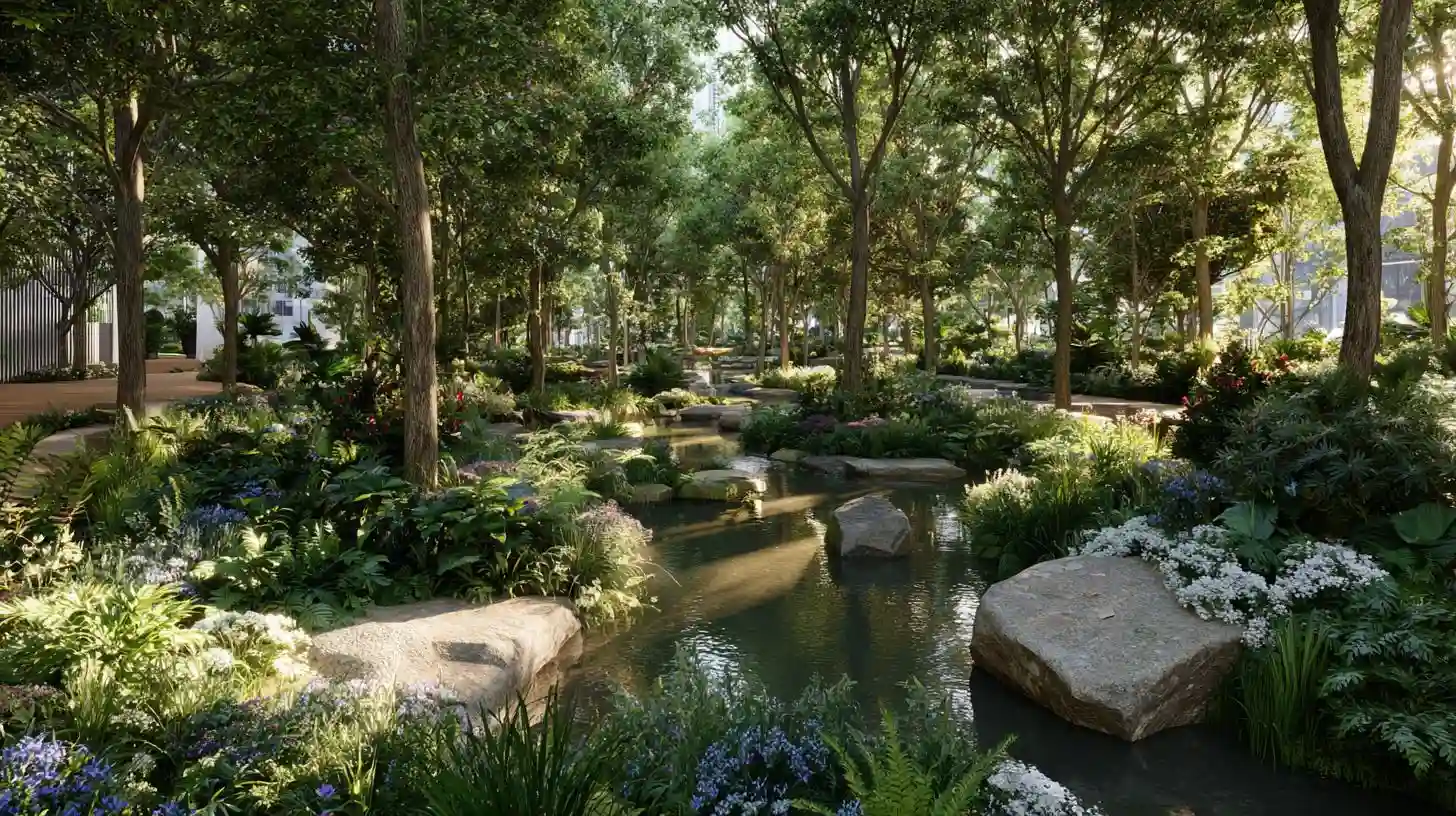
Urban green spaces provide critical benefits for both ecological health and human well-being, and biodiversity within these areas plays a central role in maximizing their potential. Diverse plant and animal life contributes to ecosystem stability by creating complex networks of interactions that regulate natural processes. This complexity helps to control pests, improve soil health, and maintain nutrient cycles, which collectively enhance the resilience of urban ecosystems against environmental stressors such as pollution or climate fluctuations. A wide variety of plants supports pollinators, including bees and butterflies, which are essential for the reproduction of many flowering species and for sustaining food sources in surrounding areas. The presence of varied vegetation also moderates microclimates, reducing urban heat island effects by providing shade, enhancing evapotranspiration, and improving air quality through pollutant absorption.
Human health and psychological well-being are closely linked to exposure to biodiverse green spaces. Environments rich in flora and fauna promote mental restoration by offering opportunities for relaxation, reflection, and engagement with nature, which can lower stress levels and encourage physical activity. Different species and natural elements create aesthetically pleasing landscapes that stimulate curiosity and learning, fostering a deeper connection with the natural world. Children, in particular, benefit from the chance to observe wildlife and explore varied plant life, which enhances cognitive development and environmental awareness. Social interactions are also strengthened in vibrant green spaces, as these areas encourage community gatherings, outdoor recreation, and cooperative stewardship projects.
Biodiversity in urban green spaces also contributes to broader environmental sustainability. By supporting multiple species, these areas act as habitats for wildlife, providing refuge and migration corridors amidst built environments. They enhance ecosystem services such as water regulation, carbon sequestration, and soil stabilization, helping cities adapt to climate change and extreme weather events. Pollination and seed dispersal are naturally supported, which in turn maintains vegetation diversity and productivity. Incorporating a variety of native and adaptive species in landscaping ensures that urban greenery remains resilient over time, sustaining ecological functions while promoting a harmonious coexistence between urban development and natural ecosystems.