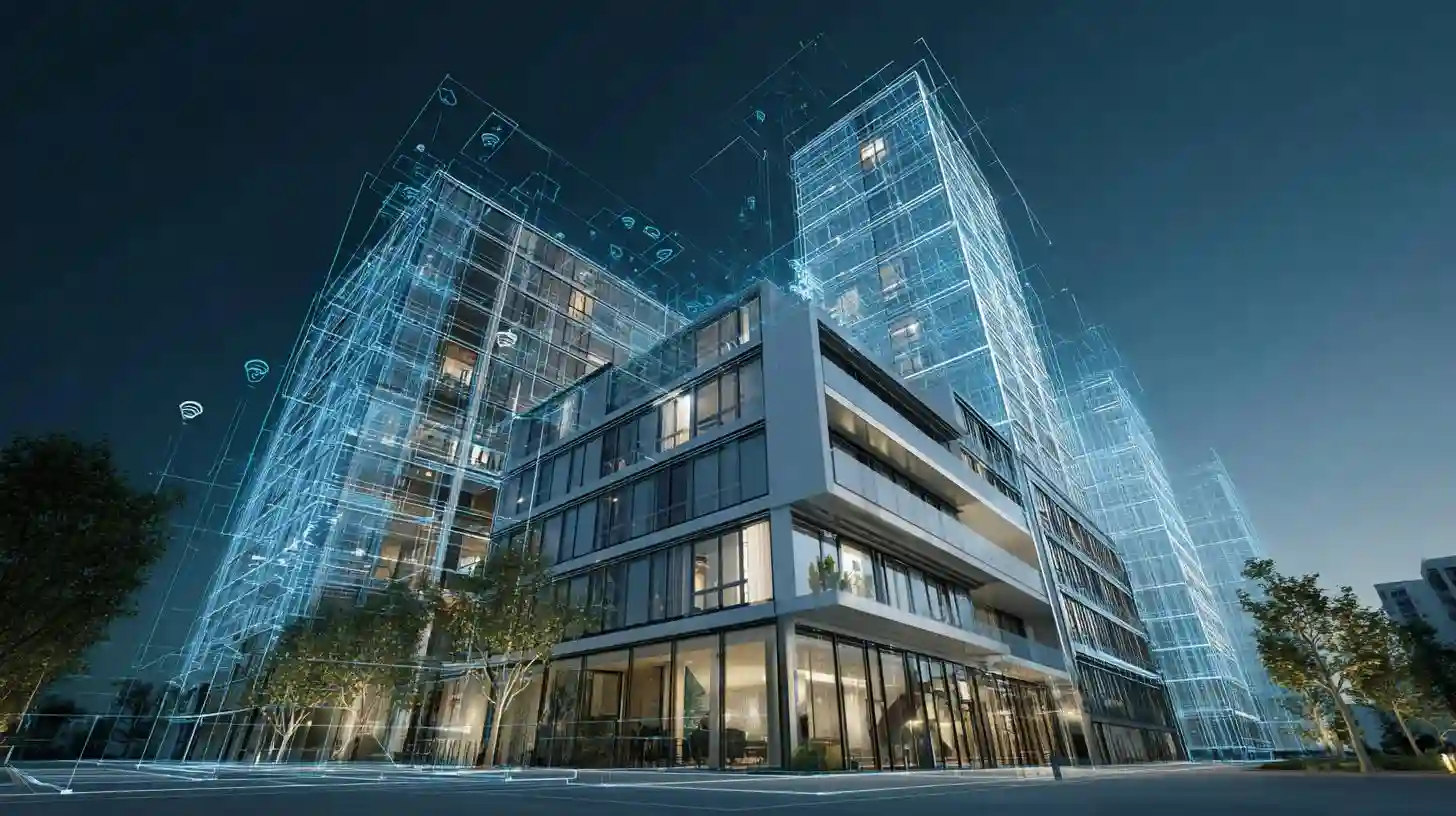
Smart buildings are revolutionizing the way we think about architecture and urban living. The integration of the Internet of Things (IoT) into building design has introduced new possibilities for energy efficiency, security, and convenience. As IoT technologies become more prevalent, the exterior designs of buildings have evolved to accommodate these advancements while maintaining aesthetic appeal. Traditional designs, focused primarily on structural integrity and appearance, are now being reshaped to integrate sensors, communication networks, and other IoT devices. This shift in design approach requires careful consideration of how exterior elements can support these technological innovations without compromising the visual and functional aspects of the building. One of the most notable features of IoT-integrated buildings is their ability to adapt to environmental changes in real-time. For instance, exterior facades may now include smart windows or panels that adjust their transparency or thermal properties based on external weather conditions, reducing energy consumption. These adaptive features rely heavily on embedded sensors that collect data on light, temperature, and humidity levels. Another important consideration in smart building design is the incorporation of advanced security measures. Exterior designs are increasingly incorporating features such as surveillance cameras, motion detectors, and access control systems that are all connected to central IoT platforms. These systems can be monitored and controlled remotely, providing a higher level of security and ensuring rapid response in case of any suspicious activity. In addition, the exterior of smart buildings may incorporate interactive elements, such as digital signage, that provide real-time information about building conditions or serve as a point of communication for occupants. This feature is particularly useful in large commercial buildings, where occupants need to access data quickly. Furthermore, the exterior design of smart buildings is also being influenced by the growing need for sustainability. Architects are integrating renewable energy sources, such as solar panels or wind turbines, into the building's outer shell, allowing for greater energy independence. These systems are also linked to the building's IoT network, allowing for efficient monitoring of energy usage and automatic adjustments based on consumption patterns.