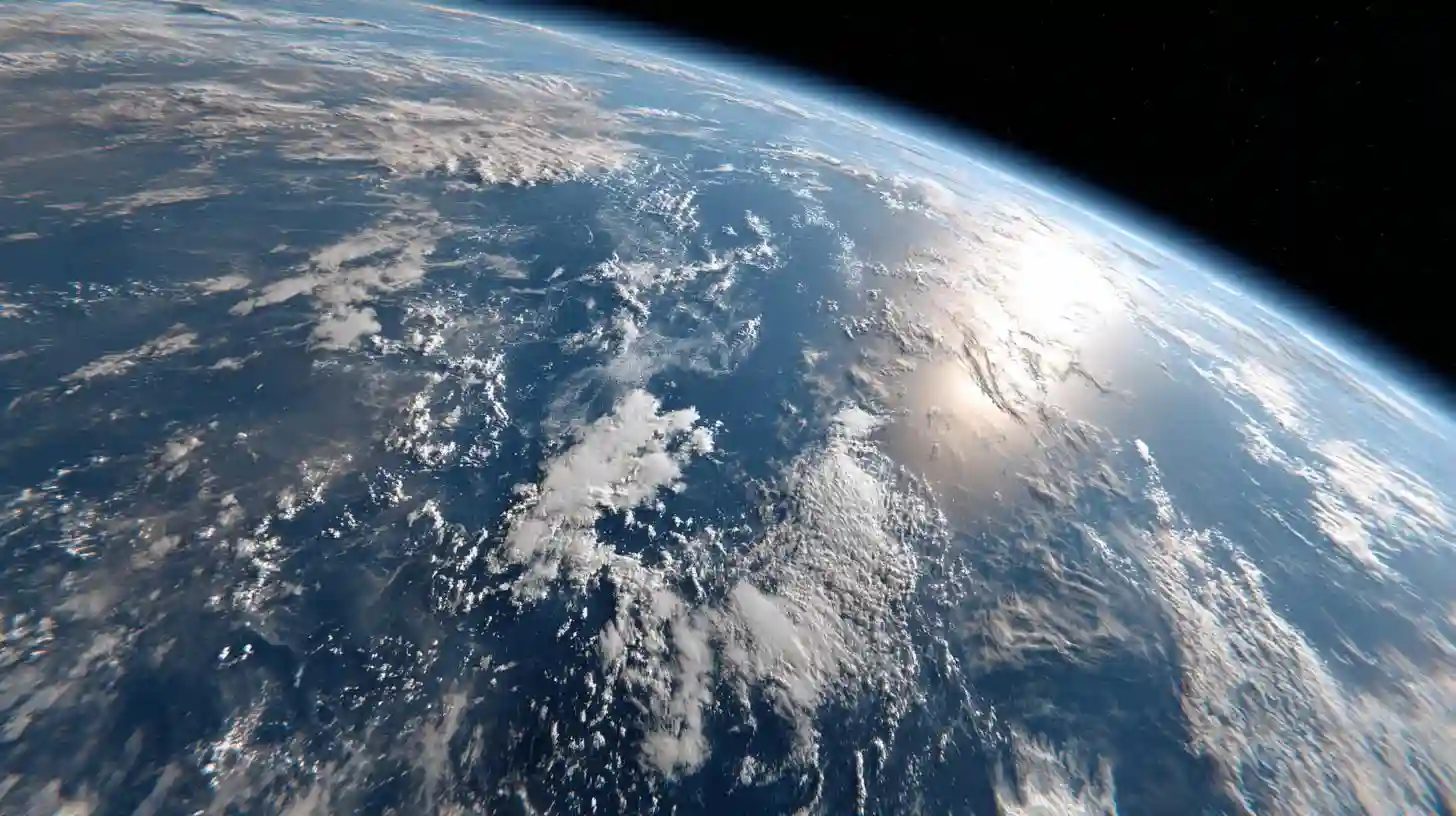
Space-based observations have become essential tools in improving early warning systems for a range of natural and man-made disasters. Satellites equipped with advanced sensors and imaging technologies can monitor Earth’s environment from a global perspective, providing real-time data that enhances our ability to predict and respond to emergencies. These observations offer invaluable insight into atmospheric changes, weather patterns, and environmental shifts, all of which are critical for anticipating extreme events such as hurricanes, floods, wildfires, and even volcanic eruptions.
Through the use of satellite imagery, early warning systems can detect the onset of severe weather conditions before they fully develop. For example, satellites can track the formation of storm systems in the ocean, enabling meteorologists to issue alerts about potential hurricanes long before they reach land. Additionally, satellite data can be used to assess the severity of storms, providing information on wind speeds, rainfall amounts, and the size of affected areas. This early detection allows authorities to evacuate populations, allocate resources, and implement emergency measures to minimize the impact of these disasters.
Satellites also play a significant role in monitoring environmental hazards like wildfires and deforestation. By detecting temperature anomalies, smoke plumes, and changes in vegetation cover, space-based observations help to identify fire-prone areas and assess the progress of ongoing wildfires. Such data is crucial for dispatching firefighting teams and coordinating response efforts to protect both human lives and wildlife.
In addition to natural disasters, space-based systems are increasingly being used to monitor and mitigate the impact of human-made threats, including pollution, conflict zones, and maritime piracy. For example, satellites can detect oil spills, illegal fishing activities, and changes in air quality, providing governments and organizations with the tools they need to take preventive or corrective actions.
The ability to observe Earth from space has revolutionized how we approach disaster management and preparedness. By providing a bird's-eye view of our planet, satellites allow for more accurate forecasts, faster responses, and ultimately, better protection of lives and property.