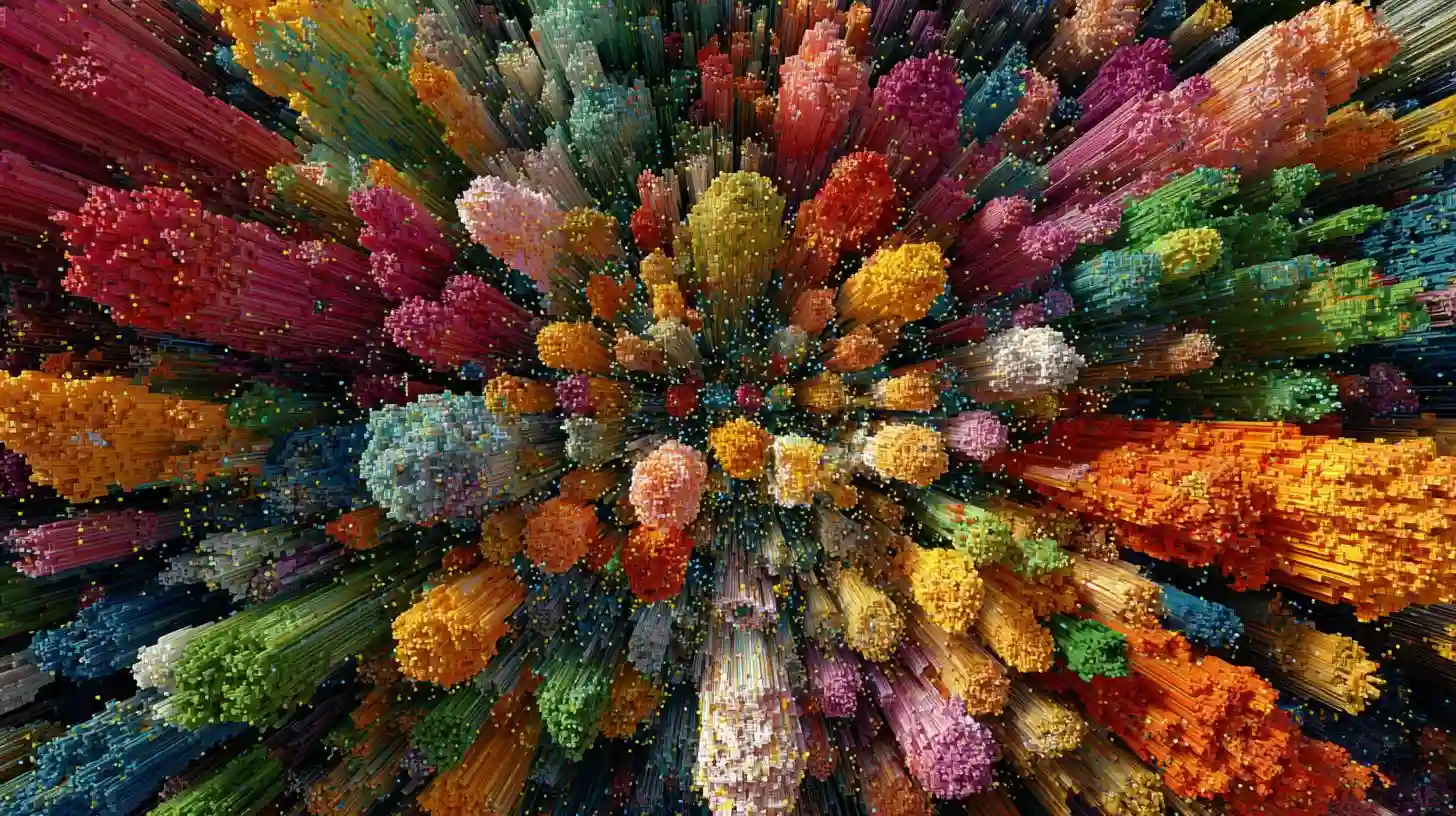
Contemporary art has become a powerful vehicle for reflecting the rich diversity of human experiences. Over the years, artists from different backgrounds, cultures, and identities have found their voices in the art world, challenging traditional norms and opening doors for a more inclusive representation. This movement toward diversity in the arts is not only about the artists themselves but also about how their work explores themes of race, gender, sexual orientation, and class. In today's world, galleries, museums, and art institutions are increasingly recognizing the importance of showcasing a wide range of perspectives, giving audiences the opportunity to engage with art that speaks to the complex and multifaceted nature of contemporary society.
The representation of marginalized groups in contemporary art has sparked important conversations around issues of power, privilege, and the way history is recorded. Artists who have often been excluded from the mainstream art world are now taking center stage, allowing their stories to be told through their work. These artists use their platforms to explore subjects such as identity, belonging, and resistance, providing fresh narratives that challenge preconceived notions. Whether through painting, sculpture, photography, or other media, their creations serve as a form of resistance and empowerment.
One of the most significant aspects of contemporary art's embrace of diversity is its ability to create dialogue. Through these diverse voices, art becomes a mirror of the world around us, reflecting the struggles and triumphs of those who have been silenced or overlooked. This shift has also led to a broader recognition that art is not just for the elite few but belongs to everyone. The democratization of art, fueled by the inclusivity of different perspectives, has transformed the landscape of contemporary culture, making it richer and more representative of the world we live in today.