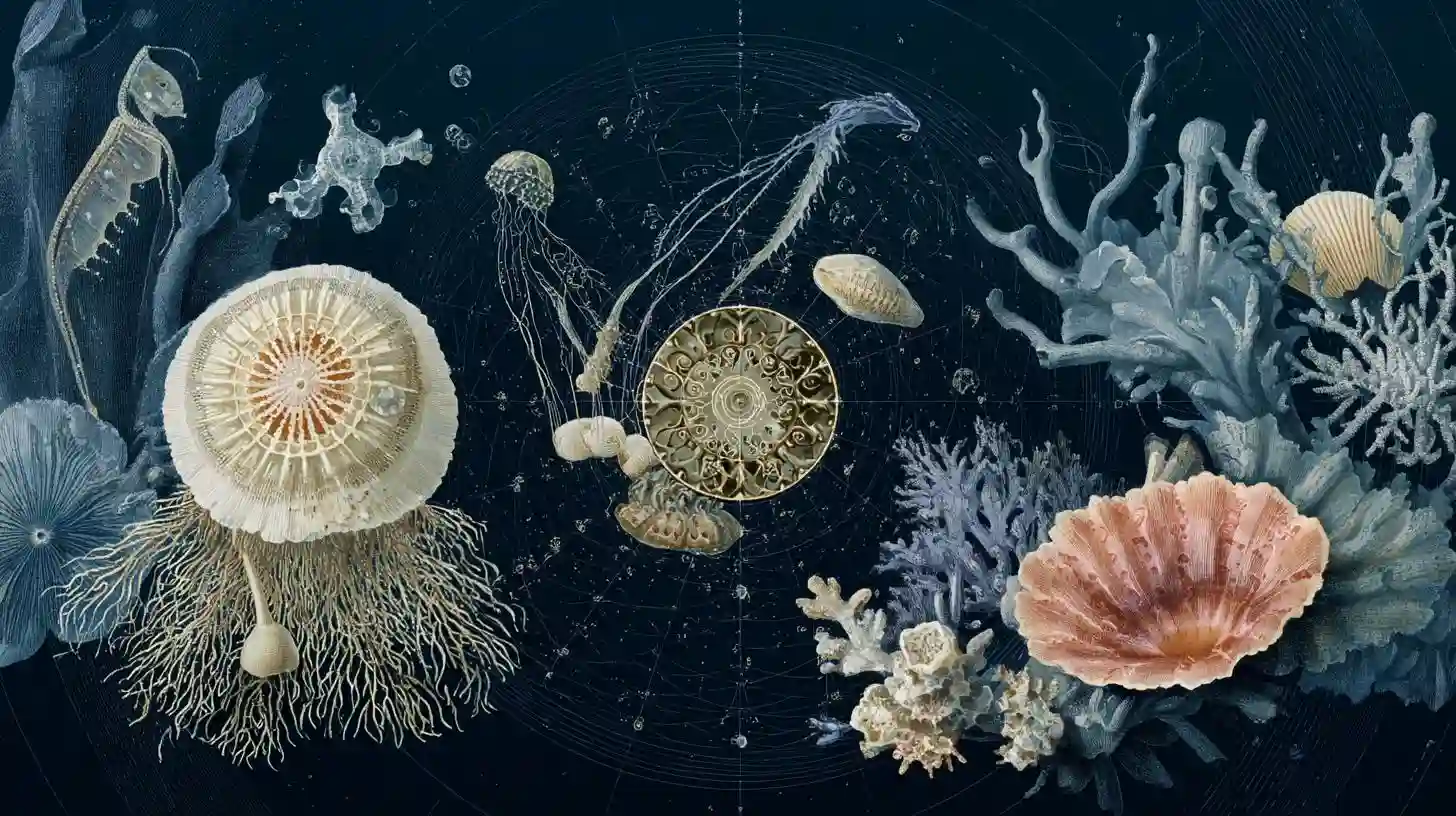
Marine invertebrates are an essential part of ocean ecosystems, playing pivotal roles in maintaining the balance and health of the environment. These creatures, which include species like corals, sponges, mollusks, and crustaceans, are integral to various ecological functions that benefit not only their immediate surroundings but also broader marine biodiversity.
One of the primary roles of marine invertebrates is nutrient cycling. Many species, such as worms and bivalves, filter water and break down organic materials, which helps recycle nutrients like nitrogen and phosphorus. These nutrients are critical for supporting the growth of other marine organisms, including phytoplankton and seagrasses. Without the activity of these invertebrates, nutrient levels could become imbalanced, leading to algal blooms or oxygen depletion, both of which can harm the entire ecosystem.
Marine invertebrates also contribute significantly to the structural complexity of marine habitats. Coral reefs, for example, are built by tiny corals, which secrete calcium carbonate to form massive structures over time. These reefs provide shelter and food for countless marine species, creating highly productive ecosystems that support a diverse array of life. Similarly, other invertebrates like sponges and mollusks create habitats within their structures, offering refuge for smaller fish and other organisms. This habitat complexity supports a diverse web of life, from primary producers to top predators.
Moreover, marine invertebrates play a crucial role in the food web. Many larger marine animals, including fish, sea birds, and marine mammals, depend on invertebrates as a primary food source. Without these invertebrates, the entire food chain could collapse, leading to the decline of higher trophic levels and ultimately jeopardizing the stability of the ecosystem.
In addition to their ecological roles, marine invertebrates are vital to human economies. They provide resources for industries such as fishing, pharmaceuticals, and biotechnology. Many species are also important indicators of environmental health, with changes in their populations often reflecting shifts in ecosystem conditions. The decline of certain invertebrate species can signal pollution or the degradation of marine environments, alerting scientists and policymakers to take action.
Through these various roles, marine invertebrates help sustain ocean health, ensuring that ecosystems remain functional and resilient to environmental changes.