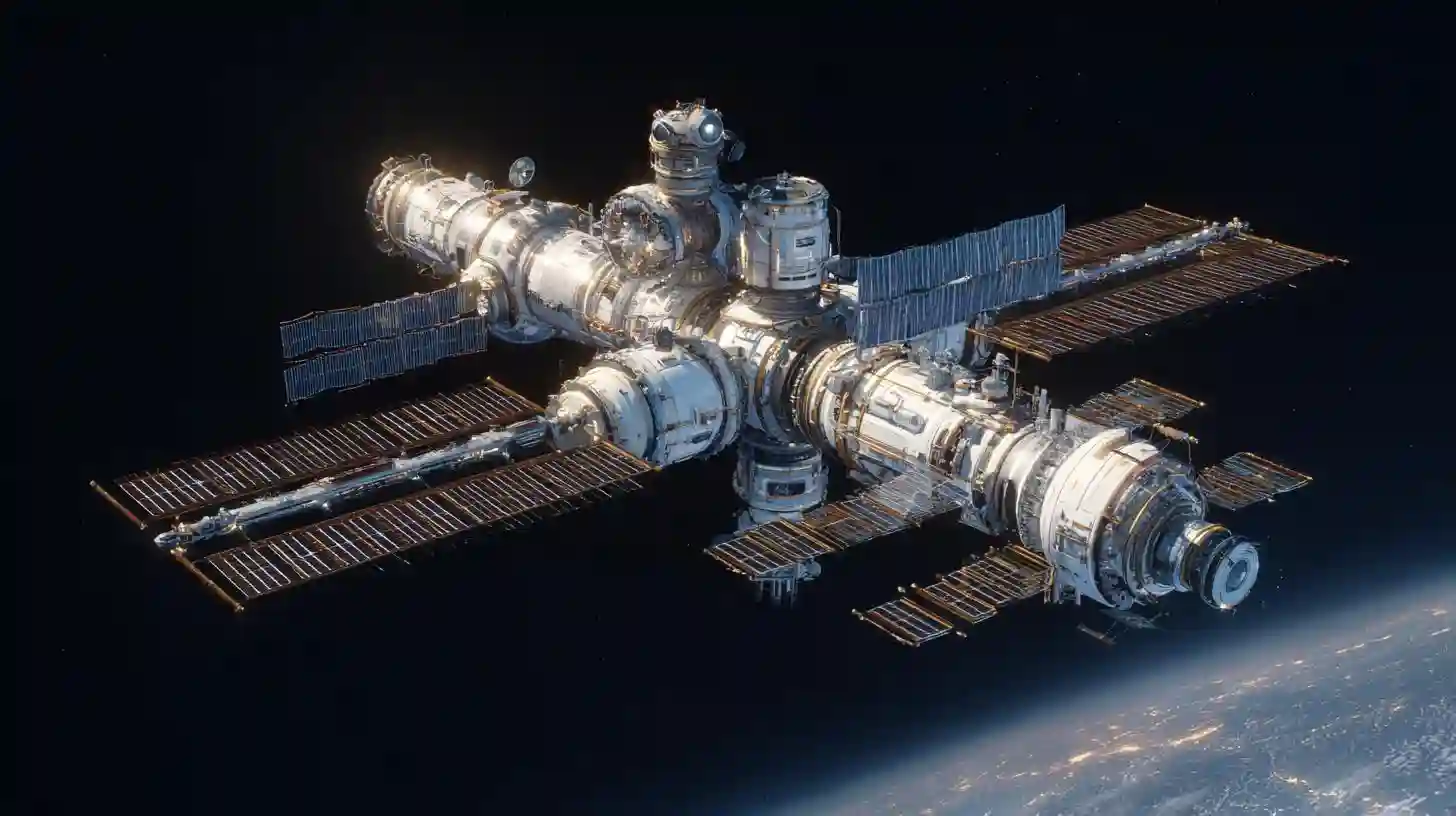
Sustainable technologies are increasingly vital in enabling long-term space missions, as they provide the foundation for self-sufficiency, reduce reliance on Earth-based resources, and ensure mission viability over extended periods. One key area of focus is renewable energy systems. Solar panels, for instance, have become a staple in space exploration, offering a reliable and sustainable power source by harnessing the sun’s energy. However, for missions beyond Earth’s orbit or to distant planets, where sunlight is weaker, advancements in energy storage, such as advanced batteries or nuclear power, will play a crucial role. By utilizing these technologies, spacecraft can maintain power even when sunlight is insufficient, ensuring continuous operation of vital systems. Another critical aspect is life support systems, which must be sustainable to support human crews for months or years. Closed-loop systems, capable of recycling water, oxygen, and waste products, are being developed to minimize the need for resupply missions from Earth. These systems not only conserve resources but also reduce the mass and complexity of missions. Moreover, advancements in agricultural technologies could enable astronauts to grow their own food, further reducing dependency on Earth-based supplies and allowing for more flexible, autonomous missions. Materials science also plays an important role in sustainable space exploration. Lightweight, durable materials designed to withstand extreme conditions are essential for spacecraft and habitats. These materials can reduce fuel consumption during launch and travel, making missions more cost-effective and efficient. Furthermore, recycling technologies onboard spacecraft can reduce waste, allowing for the reuse of materials such as metals, plastics, and electronic components. The development of in-situ resource utilization, where resources are harvested and processed directly from space environments, is another promising avenue. For example, extracting water from lunar or Martian soil and using it for drinking or fuel production could make long-term missions much more feasible. By incorporating these sustainable technologies, space exploration can evolve into a more practical and self-sufficient endeavor, making the dream of prolonged human presence in space a reality.