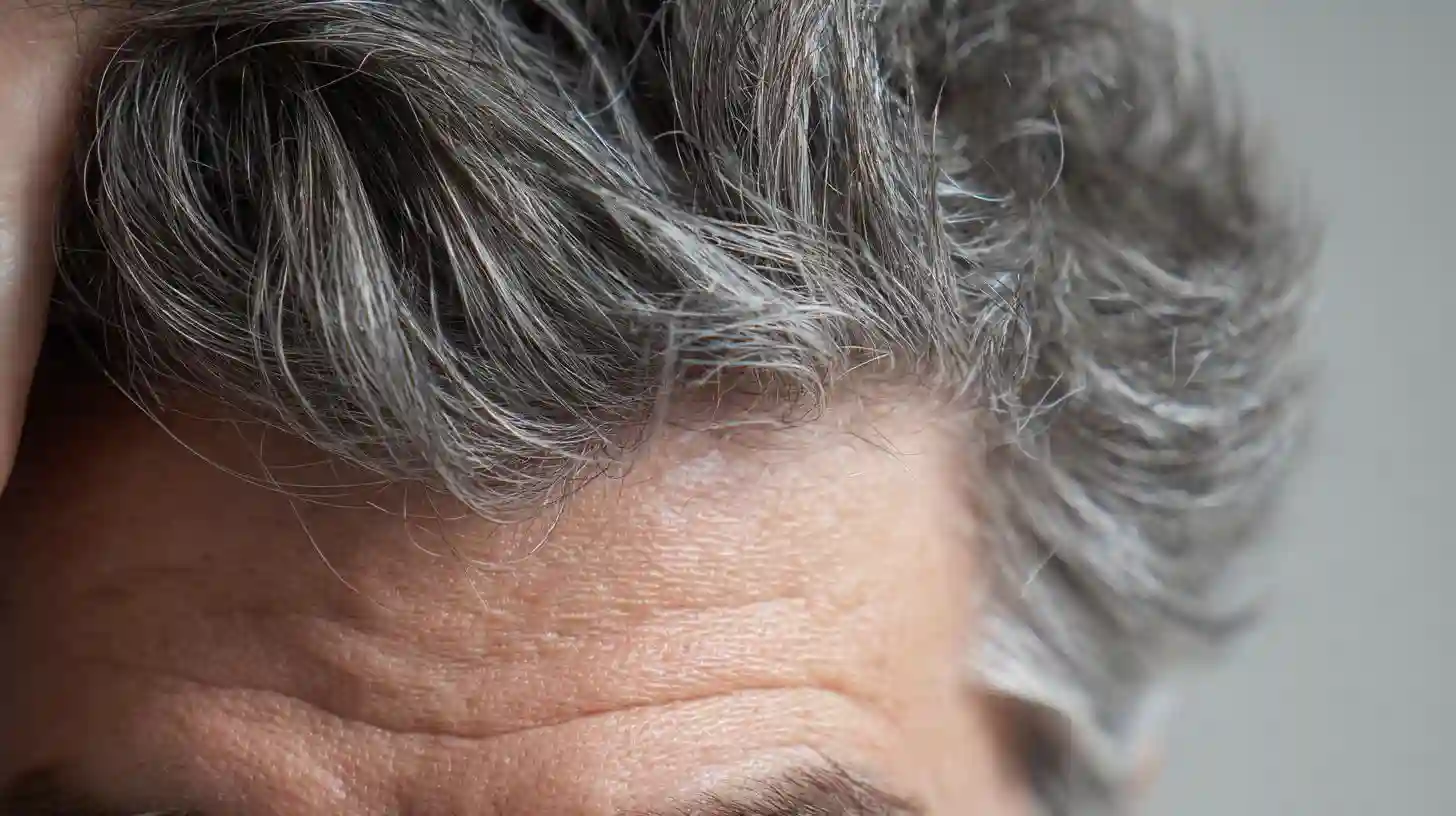
Hair graying is a natural part of the aging process that can have a significant impact on how individuals perceive themselves and how they believe others perceive them. The gradual loss of pigment in hair often begins subtly, yet its visual effect can be striking, leading to feelings of vulnerability and heightened self-awareness. Many people associate gray hair with aging, which can trigger concerns about attractiveness and vitality. These concerns are not limited to physical appearance but extend to professional and social contexts where youthfulness is often valued. The presence of gray hair can evoke a range of emotions, including anxiety, sadness, or even a sense of loss as individuals confront the undeniable passage of time.
Psychologically, graying hair can influence self-esteem, particularly in cultures where a youthful appearance is idealized. Individuals may find themselves comparing their current look with past appearances or with societal expectations, which can amplify insecurities. Some people attempt to hide their gray hair through coloring or styling, while others embrace it as a symbol of experience and maturity. The choice to cover or reveal gray hair often reflects deeper feelings about identity and self-expression. How one reacts to graying hair can also affect interpersonal interactions, as personal confidence and self-assurance often shape the way people are perceived by others. Those who accept their gray hair may exhibit a sense of authenticity and comfort in their own skin, which can foster positive social dynamics and reinforce self-worth.
Hair graying also intersects with broader psychological themes such as acceptance of aging, resilience, and adaptability. People who view gray hair as part of their natural journey may experience less stress and a greater sense of inner peace. The perception of oneself with gray hair can serve as a mirror for personal growth, prompting reflection on life experiences and accomplishments. At the same time, societal pressures and media representations of beauty can intensify negative feelings, making self-perception a complex and nuanced matter. Ultimately, the psychological impact of graying hair is shaped by individual attitudes, cultural norms, and the ways people choose to navigate the balance between appearance and self-identity.