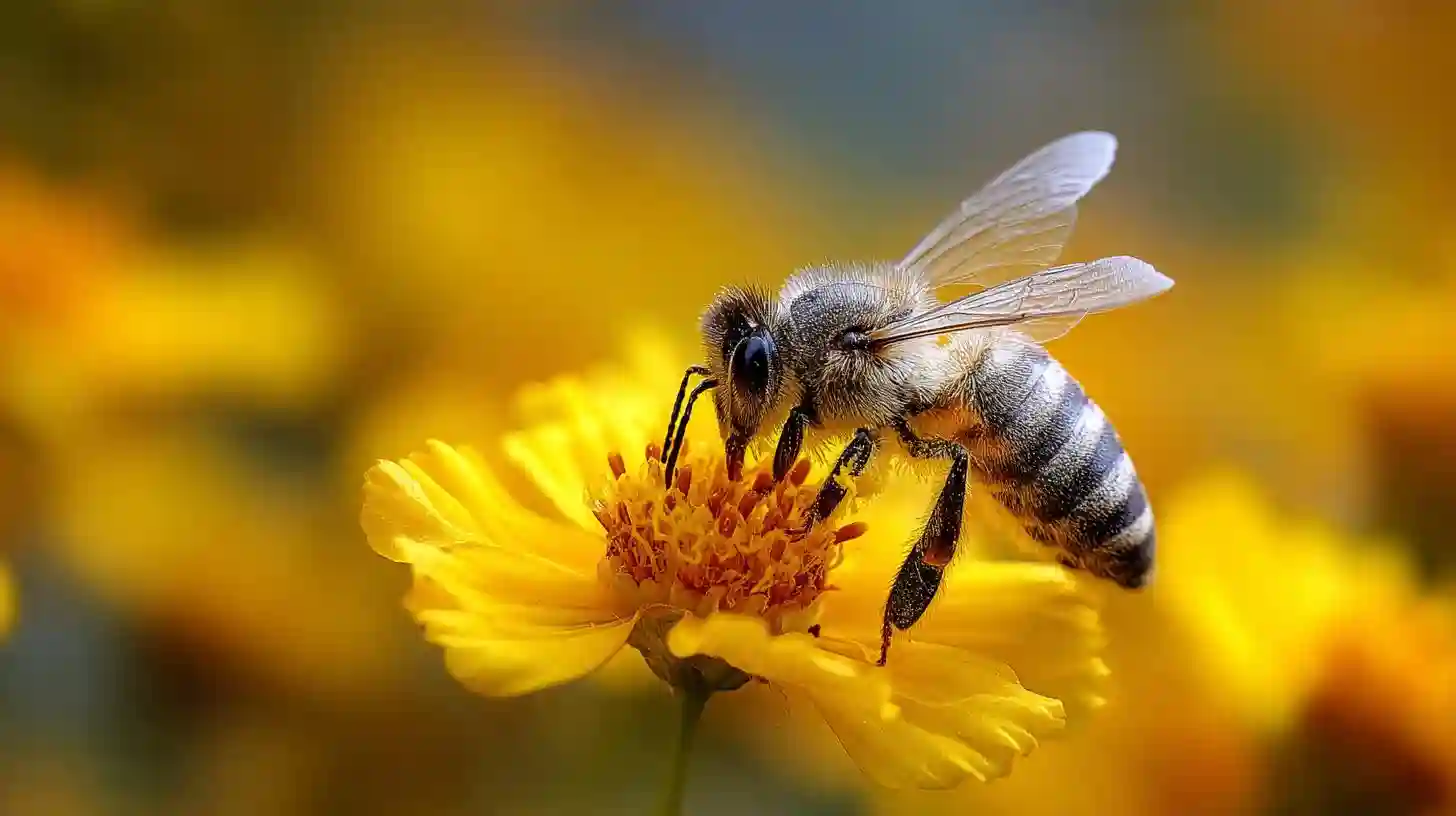
Pollinators play an essential role in the global food system, contributing significantly to food security across the world. These creatures, which include bees, butterflies, birds, bats, and other insects, facilitate the reproduction of many plants by transferring pollen between flowers. This process enables plants to produce the fruits, seeds, and crops that form the foundation of the global food supply. Without pollinators, many of the food crops we rely on would face drastically reduced yields or, in some cases, fail entirely. This would not only affect the variety and availability of food but also severely impact global agriculture and economies.
The economic value of pollinators is vast, with their contribution touching nearly every corner of the agricultural sector. Pollinators are directly responsible for the production of numerous fruits, vegetables, nuts, and seeds that make up a large portion of the human diet. They also contribute to the cultivation of plants that support the livestock industry, such as alfalfa for dairy cows. Beyond food production, pollinators support the biodiversity of ecosystems, which in turn influences natural resources and water cycles. These environmental services are crucial for maintaining healthy, functioning ecosystems and reducing the vulnerability of food systems to climate change and other disruptions.
However, the declining populations of pollinators worldwide pose a significant risk to food security. Pesticides, habitat loss, climate change, and diseases all contribute to this decline. As the number of pollinators decreases, so too does the stability and resilience of global food systems. This not only puts pressure on agricultural production but also on food prices, accessibility, and quality, ultimately affecting global poverty and hunger.
Efforts to protect pollinators are therefore critical for ensuring a sustainable and secure food future. Policies that focus on habitat restoration, sustainable agricultural practices, and conservation can help bolster pollinator populations. Protecting pollinators is not just an environmental issue; it is a matter of global economic and food security, with the potential to shape the future of food production for generations to come.