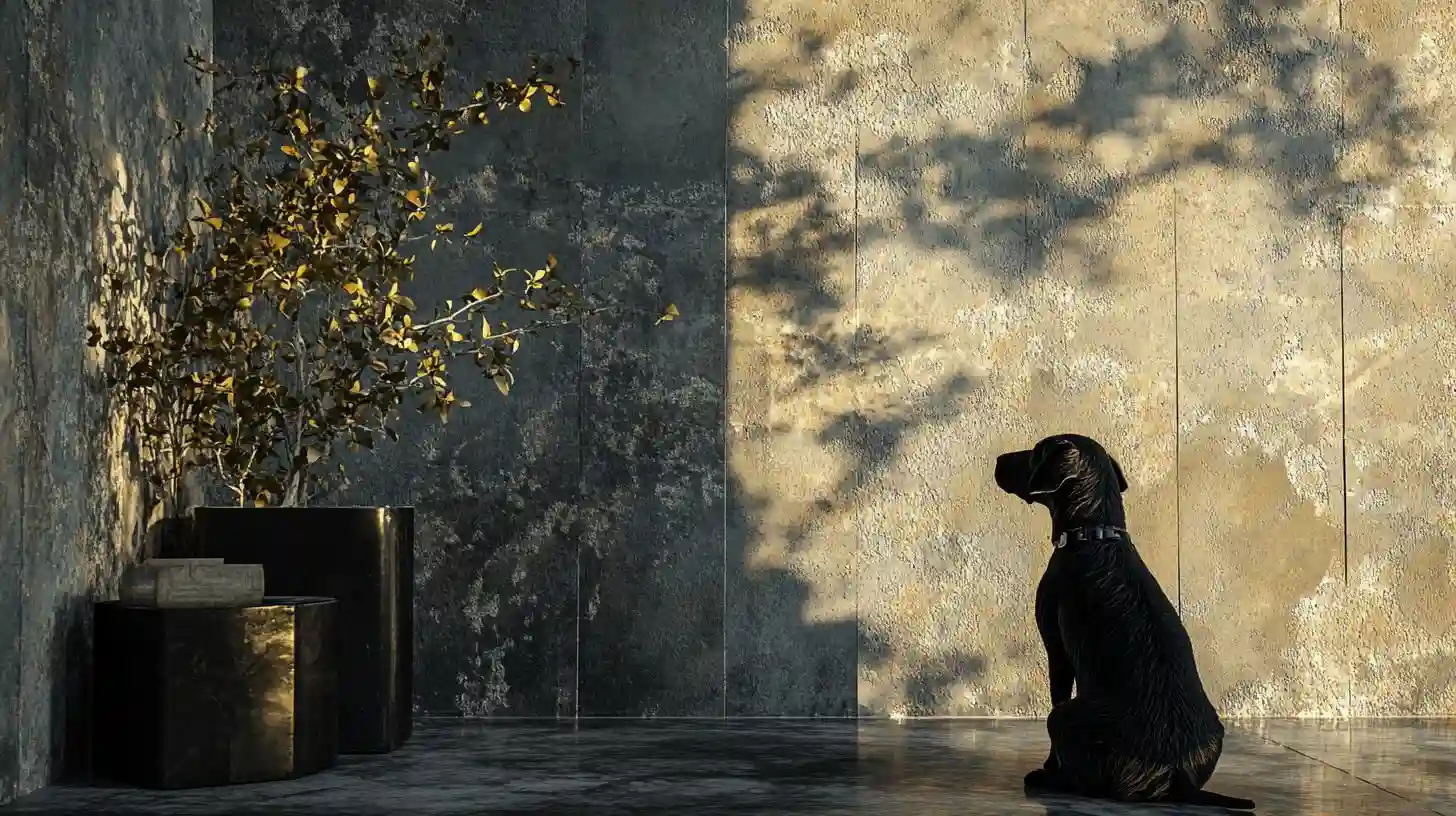
Training your dog to sit is one of the most fundamental commands and a great starting point for establishing a positive relationship between you and your canine companion. It not only aids in developing good behavior but also helps in instilling discipline. The process may require patience and consistency, but with proven techniques, you can successfully teach your dog to sit within the comforts of your home.
To begin, it is essential to create a calm and distraction-free environment for your training sessions. Choose a quiet room or an area in your yard where your dog feels comfortable. Make sure there are no loud noises or enticing distractions, such as toys or other pets, that could divert your dog’s attention away from the training process. A peaceful atmosphere encourages your dog to focus, allowing them to better grasp the command you are about to teach.
Before you start the training, gather some treats that your dog loves. High-value treats work best, as they motivate your dog to engage during the learning process. Initially, keep your training sessions short and sweet, lasting no more than five to fifteen minutes. Dogs, particularly puppies, have shorter attention spans and may lose interest if the training drags on for too long. Staying within this timeframe helps your dog remain eager and responsive.
The first step is to attract your dog's attention with the treat. Hold the treat close to their nose, allowing them to sniff it. This creates interest and prompts them to look up at you. As their head goes up and back, their natural instinct is to sit down. Just as their bottom touches the ground, say the command "Sit" clearly and firmly. Timing is crucial in this step; ensure the command is uttered at the exact moment your dog sits down.
When your dog successfully sits, immediately praise them enthusiastically and offer the treat. Positive reinforcement is key to effective training. Celebrate their success with affectionate words or even a gentle pet. This reinforces the behavior you want to encourage and builds a strong association between the command and the action. Repeat this process several times. If your dog does not sit after the first prompt, you can gently guide them by placing a hand on their back and applying slight pressure to encourage them into the position.
If your dog appears confused, it might be helpful to take a step back. Rather than using frustration or raising your voice, be patient and try to understand what might be causing the confusion. Dogs, like people, have different learning styles. If they seem overwhelmed, take a break and revisit the training later. It’s also important to practice different variations of the command. Train in different rooms of your house or even outside to generalize the command, which ensures your dog learns to sit regardless of the environment.
Another technique involves using a clicker, a small device that makes a distinct sound when pressed. When your dog sits, click the device at the moment their bottom touches the ground. A clicker acts as an immediate and distinct marker of correct behavior, making it clear to your dog what they did right. After the click, follow it up with praise and a treat. This technique is often appreciated by dogs and can speed up the learning process.
Continuity in your training is equally important. Make it a habit to practice the "Sit" command daily, integrating it into your daily routines. Ask your dog to sit before meals, before going out for walks, or during playtime. The more you incorporate the command, the more your dog will understand its importance. Consistency in your interactions will lead to faster comprehension and will solidify their understanding of the command.
While training, it’s essential to allow your dog the chance to succeed. If they are not responding or continuing to stand, avoid showing frustration. Instead, go back a step and ensure they are comfortable within the training context. Encouragement over negativity will bolster their confidence, ultimately leading to better performance. Not every dog will learn at the same pace, so be prepared for some individuals to take longer than others.
Finally, always end training sessions on a positive note. If the last attempt was successful, even if it was after multiple trials, reward them. This method encourages them to look forward to future training sessions. Building a foundation of trust and positive associations not only cultivates an effective training environment but also fosters a strong bond with your pet. Enjoy the process, as training your dog is not just a means to an end but a delightful journey you both embark on together.