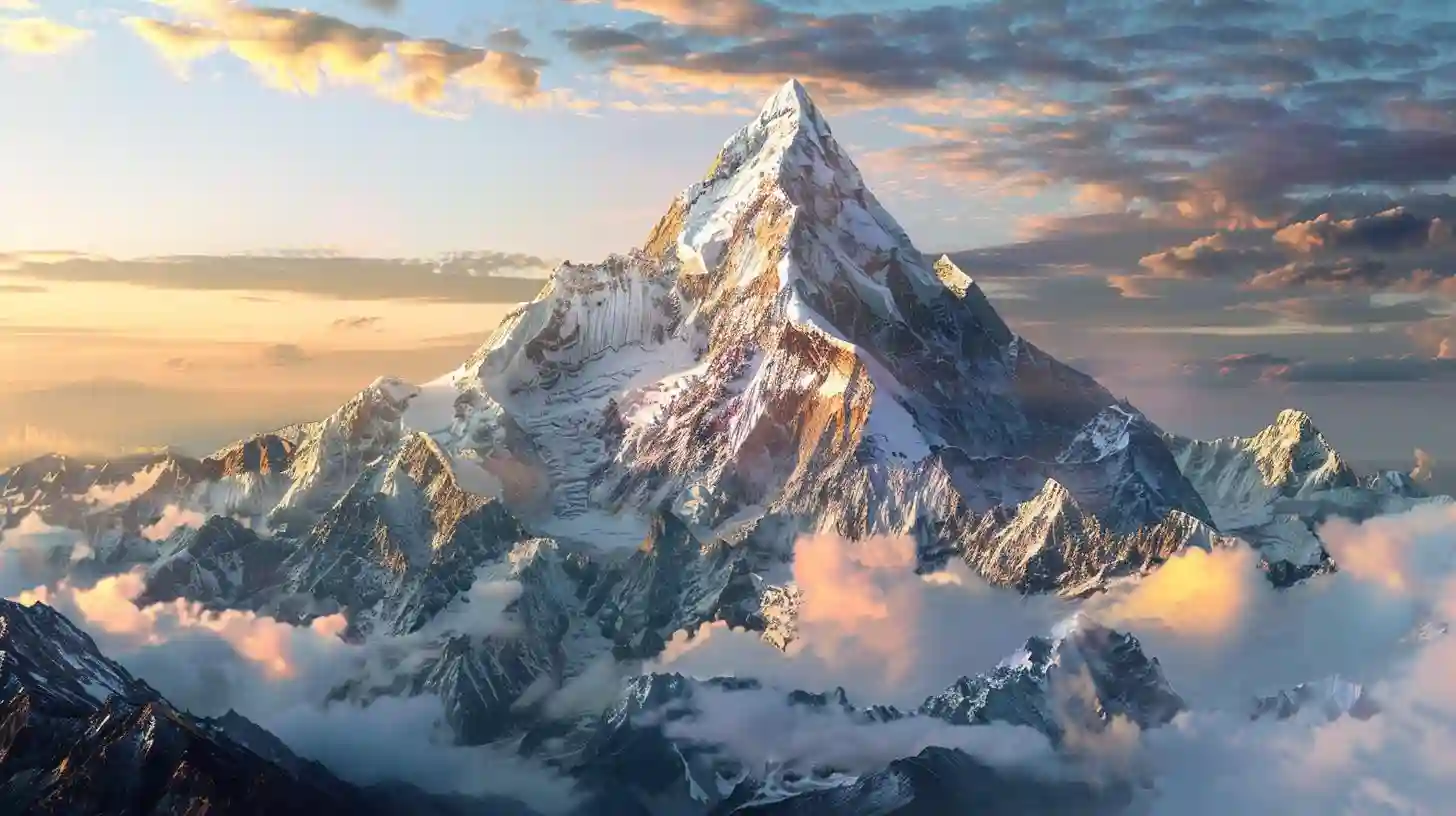
Mountains have long captured the imagination of humanity, standing as majestic sentinels over the land. Their towering peaks, rugged landscapes, and serene beauty inspire awe in those who gaze upon them. These geological giants not only shape the physical world but also significantly impact culture, history, and ecology.
The formation of mountains involves a complex interplay of geological processes. These processes can span millions of years, resulting from the movement of tectonic plates. In many instances, mountains are born from the collision of these plates, leading to folding and uplifting of the Earth’s crust. For example, the Himalayas, which include some of the highest peaks on the planet, were formed by the collision of the Indian and Eurasian plates. This ongoing process continues to change the Earth’s topography, as mountains rise and erode over time.
Different types of mountains exist, categorized by the processes that lead to their formation. Volcanic mountains arise from volcanic activity, their peaks often characterized by their conical shapes formed by lava and ash. The majestic Mount Fuji in Japan stands as a prime example of a volcanic mountain, holding cultural significance for many and drawing countless visitors. In contrast, fault-block mountains are formed through tectonic forces that cause large blocks of the Earth’s crust to move, creating steep cliffs and rugged terrain. The Sierra Nevada mountains in the western United States exemplify this type of mountainous structure, offering breathtaking vistas and diverse ecosystems.
The cultural significance of mountains cannot be overstated. For millennia, people have revered mountains as sacred spaces, believing them to be the dwelling places of gods and spirits. In numerous cultures, mountains symbolize strength, endurance, and permanence. Many ancient civilizations, such as the Greeks and the Incas, established myths and legends centered on mountains, viewing them as bridges between the heavens and the earth. The Andes mountains, for instance, held significant religious and cultural meaning for the Inca civilization, who considered the peaks to be sacred and often performed rituals in their honor.
Mountains are also linchpins for ecological diversity. They provide unique habitats for an array of plant and animal species, many of which are endemic. The varied altitudes and climates found in mountainous regions create a rich tapestry of ecosystems, each with its own distinct flora and fauna. As one ascends a mountain, the environment changes dramatically, shifting from lush forests at lower elevations to alpine meadows and rocky peaks. This gradient of biodiversity is not only essential for nature but also offers valuable resources for human existence.
Moreover, mountains are vital sources of freshwater. Many of the world’s major river systems originate in mountainous regions, as snowmelt and rainfall feed into rivers that sustain millions of people downstream. The waters of the Himalayas, for instance, nourish rivers like the Ganges and the Indus, which are crucial for agriculture and drinking water in densely populated regions. The World Glacier Monitoring Service emphasizes its importance, noting that glaciers in mountainous regions serve as natural water reservoirs. However, with climate change leading to glacial retreat, the future of water sources dependent on these high-altitude glaciers has become a pressing concern for both local communities and global ecosystems.
Mountaineering and hiking have become popular pursuits for many, highlighting the allure of mountains as destinations for adventure and exploration. With towering summits beckoning, enthusiasts from all walks of life take on the challenge of scaling peaks and navigating rugged terrains. The ascent of Mount Everest has transformed into a rite of passage for climbers, representing both the pinnacle of physical achievement and spiritual journey. However, the increasing popularity of climbing and trekking in mountain regions has raised important discussions around sustainability, environmental impact, and the preservation of these natural wonders.
The economic significance of mountains also merits attention. Mountainous regions often become focal points for tourism, attracting visitors seeking breathtaking views, outdoor adventures, and a connection with nature. Ski resorts thrive in alpine areas, drawing winter sports enthusiasts from around the globe. This influx of tourists provides vital income for local economies, creating jobs and supporting small businesses that cater to the needs of travelers. However, this economic reliance creates a delicate balance between development and the preservation of mountain environments.
Furthermore, mountains play a crucial role in climate regulation. The elevation and topography of mountainous regions can influence weather patterns, creating microclimates and affecting local ecosystems. They act as barriers to wind and moisture, which can lead to variations in precipitation and temperature. The impact of climate change is particularly evident in mountainous areas where rising temperatures lead to changes in snow and precipitation patterns, affecting everything from water availability to agricultural practices. As the global climate continues to shift, understanding these dynamics becomes increasingly vital for both scientific research and community adaptation.
Mountains also influence human settlement patterns. Historically, people have chosen to live in valleys and foothills, often gravitating toward lower elevations where resources are more readily available. However, several cultures have adapted to life in higher altitudes, developing unique traditions, agriculture practices, and architectural styles suited to the mountain environment. For example, the Tibetan Plateau, often referred to as the "Roof of the World," hosts communities that have thrived at remarkable altitudes for centuries, cultivating barley and raising yaks in a challenging yet beautiful landscape. This resilience showcases the adaptability of human beings, as they find ways to thrive in harmony with their mountainous surroundings.
The conservation of mountain environments has become increasingly urgent in light of climate change and human activity. Many mountain ecosystems are vulnerable to the impact of tourism, deforestation, and pollution. The delicate balance of biodiversity found in these regions faces threats that can lead to habitat loss and the endangerment of endemic species. Efforts to establish protected areas and promote sustainable practices are essential in ensuring that mountains continue to provide ecological, cultural, and economic benefits for future generations. Organizations focused on mountain conservation engage with local communities, fostering awareness and advocating for responsible tourism.
In the face of various challenges, communities around the world are coming together to promote the sustainable use of mountain environments. Initiatives focused on climate resilience, biodiversity conservation, and sustainable tourism are gaining traction. By prioritizing the voices of local communities and integrating traditional knowledge with modern conservation strategies, efforts are being made to safeguard these vital ecosystems while also respecting the cultural heritage associated with mountains.
Mountains evoke strong emotions and inspire deep connections with nature. Their beauty captivates the hearts and minds of people, offering solace and a sense of wonder. From the towering Alps of Europe to the rugged Rockies of North America, each mountain range holds its unique charm and stories, inviting individuals to explore, discover, and appreciate the natural world. The allure of mountains persists as a testament to their power, resilience, and significance in shaping human life across cultures and throughout history.