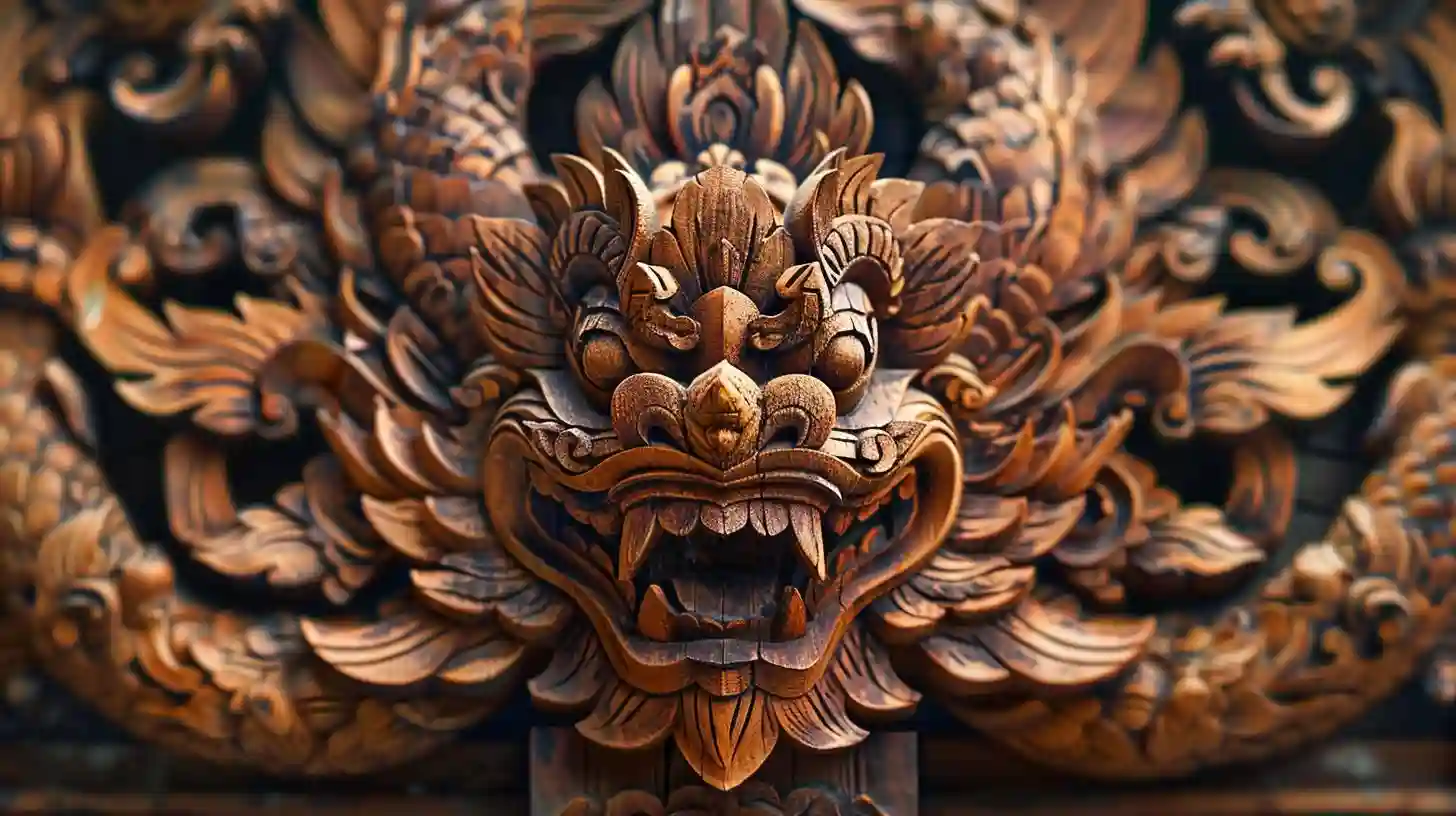
Bali, an enchanting island in Indonesia, is renowned for its lush landscapes, vibrant culture, and rich artistic heritage. Among the numerous art forms that grace this island, wood carving stands out as a profound expression of Balinese craftsmanship and creativity. This art form is not merely a craft; it embodies the spirit, beliefs, and traditions of the Balinese people. It serves as a means of storytelling, a reflection of the natural world, and a celebration of spiritual practices deeply rooted in the island's history.
Wood carving in Bali has historical roots that trace back centuries, intertwined with the island's spiritual and cultural practices. The traditional art form emerged from the Balinese people's connection to nature and their surroundings. Trees are seen as sacred, each species imbued with its unique character, symbolism, and energy. The process of selecting the wood becomes a significant part of the artistry, with craftsmen often choosing materials that resonate with their intentions and the stories they wish to convey.
The primary tools of the Balinese woodcarver include simple chisels, knives, and various hand tools. While modern equipment has made its way into this age-old practice, the reliance on traditional tools contributes to the authenticity of the work. Each stroke of the chisel carries the skilled artisan's intent, transforming a lifeless block of wood into a living piece of art. The precision and dedication required in this craft reflect not only the artist's skill but also the spiritual connection to the work.
Many wood carvings in Bali depict scenes from mythology and folklore, showcasing intricate designs often derived from Hindu narratives. The stories of gods and goddesses, epic battles, and moral tales come to life through exquisite figures and intricate patterns. These carvings often adorn temples, homes, and public spaces, serving not just as decoration but as symbols of cultural identity. Visitors to Bali can witness these stories vividly portrayed in the craftsmanship of local artisans, particularly in regions such as Ubud, known as the epicenter of art and culture on the island.
The interplay between traditional and contemporary influences is a notable aspect of wood carving in Bali. While traditional techniques and themes remain prevalent, many modern artists are embracing new ideas and styles, blending contemporary aesthetics with age-old practices. This fusion has led to the emergence of innovative designs that appeal to a global audience while maintaining the essence of Balinese culture. As a result, wood carvings can now be found in galleries and homes around the world, providing a unique glimpse into the artistic soul of Bali.
Furthermore, wood carving is deeply intertwined with religious and spiritual practices in Bali. Temples, homes, and ceremonial spaces often feature meticulously crafted sculptures and reliefs that honor deities and ancestral spirits. These carvings serve as offerings, enhancing the spiritual ambiance of the surroundings. The process of creating such pieces is often accompanied by rituals and prayers, emphasizing the belief that the act of carving is a sacred journey. Artisans view their work as a devotion, fulfilling their spiritual obligations while sharing their cultural heritage.
One notable form of wood carving in Bali is the creation of Barong figures. The Barong, a protector figure in Balinese mythology, is often depicted in elaborate carvings that capture its mythical essence. These figures can be found in various sizes and styles, each embodying the unique flair of the artisan who crafted it. The Barong is not merely a decorative piece; it holds significant cultural symbolism and is often used in traditional dance performances. Each carving tells a story, invoking the spirit of the Barong and celebrating the eternal battle between good and evil.
Another significant aspect of Balinese wood carving is the role of the community in the creative process. Traditionally, families would pass down their skills, with knowledge imparted from one generation to the next. This communal sharing of techniques and artistry fosters a sense of pride and connection. It is not uncommon to find workshops where multiple artisans collaborate, drawing on each other's strengths and insights. Such communal practices enrich the art form, ensuring its evolution while preserving its core values.
The global appreciation for Balinese wood carvings has ushered in opportunities for artisans to connect with audiences beyond the island. Art fairs, exhibitions, and online platforms have created avenues for these craftsmen to showcase their work to an international market. This newfound interest has encouraged the younger generation to engage with their cultural heritage while exploring contemporary interpretations, ensuring that the art form remains vibrant and relevant.
Despite the challenges posed by modernization and the influx of mass-produced goods, Balinese wood carving continues to thrive. The commitment of artisans to uphold their traditions and techniques serves as a testament to the resilience of this art form. Efforts to support local craftsmen and promote sustainable practices have paved the way for a more conscientious approach to art. The use of sustainably sourced wood and environmentally friendly techniques is increasingly emphasized, ensuring that the beauty of Bali’s wood carvings coexists harmoniously with the preservation of its natural resources.
Tourists visiting Bali often find themselves enchanted by the artistry and craftsmanship displayed in the wood carvings. Many choose to visit workshops and galleries, where they can witness the intricate process of wood carving firsthand. This interaction not only provides insight into the skill involved but also offers an opportunity for visitors to engage with local artisans, fostering cross-cultural connections. Such experiences deepen the appreciation for this timeless art form and promote a greater understanding of Balinese culture.
As wood carving in Bali continues to evolve, it remains a living testament to the island's rich heritage. The pieces created by skilled artisans are more than mere objects; they encapsulate the stories, beliefs, and emotions of a community. Each carving celebrates the beauty of nature, the complexities of spirituality, and the enduring bonds between people and their environment. Visitors to the island cannot help but be captivated by the intricate details and narratives that lie within each wooden sculpture, a reminder of Bali's artistic spirit and cultural depth. Thus, the story of wood carving in Bali flows seamlessly through history, culture, and art, making it an indelible part of the island's identity.