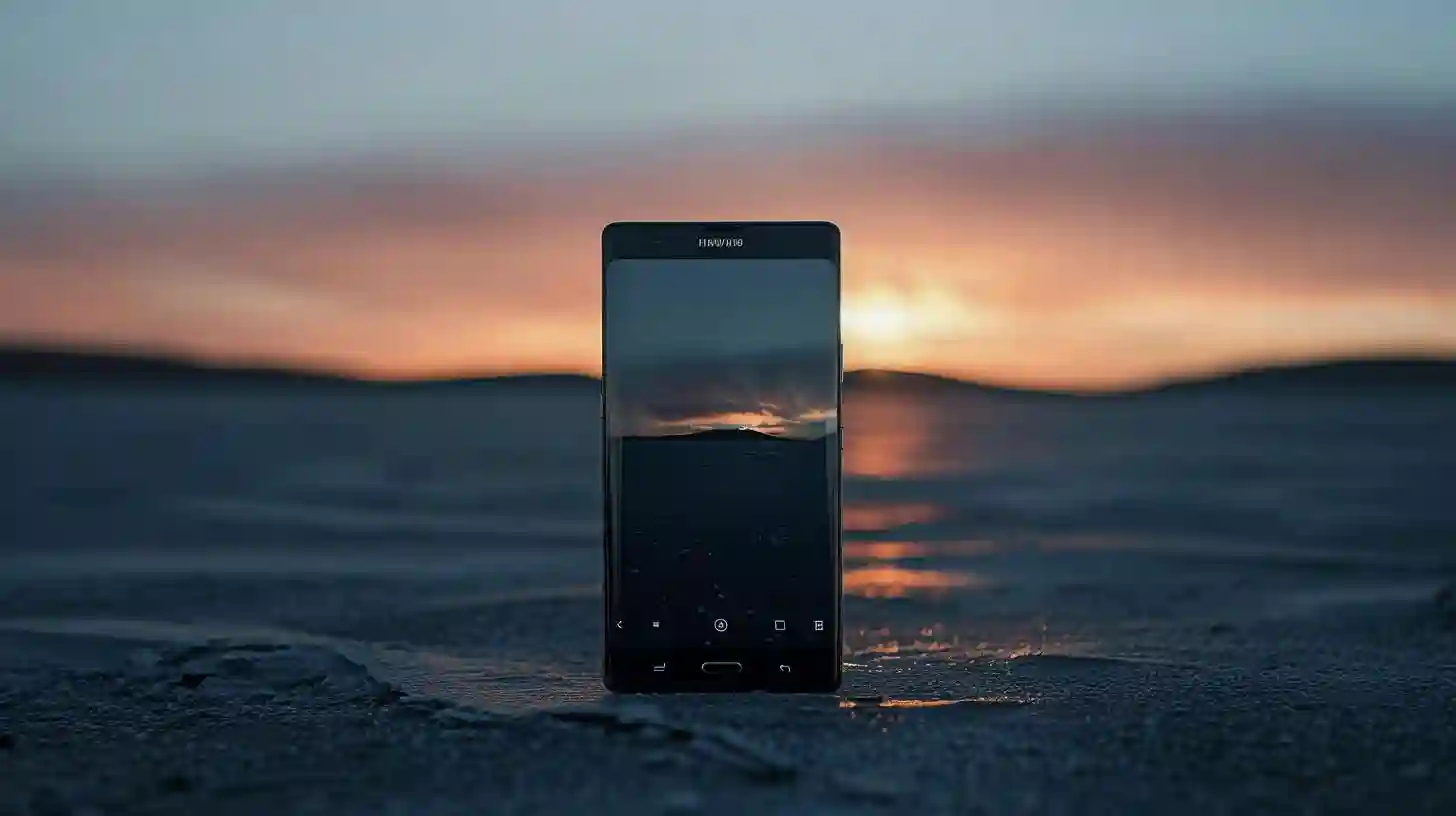
The Huawei P9 made its first appearance in the tech world in the spring of two thousand sixteen, and from that moment, it quickly established itself as a formidable contender in the fiercely competitive landscape of smartphones. As the successor to the Huawei P8, the P9 came loaded with features that set it apart and confirmed Huawei's commitment to innovation and design excellence.
At its core, the Huawei P9 was not just about hardware upgrades; it was a bold statement about the company's intent to carve a niche in the premium smartphone market. With its sleek design and premium materials, the handset echoed the aesthetics of flagship devices from leading brands, presenting an allure that appealed to a wide array of consumers. Its unibody construction, crafted from high-quality aluminum, lent a sturdy yet elegant look, making it both visually appealing and comfortable to hold.
The display of the Huawei P9 was another notable feature, boasting a five-point two-inch full HD screen that displayed vibrant colors and sharp details. Users could enjoy crisp visuals whether they were watching videos, playing games, or browsing the web. The display, paired with the slim bezels, created an immersive experience that made content consumption a pleasure. It was clear that Huawei paid meticulous attention to ensure that the P9 offered an exceptional viewing experience.
One of the hallmark features of the Huawei P9 was its camera system, which made significant headlines upon its launch. Collaborating with the renowned German optics manufacturer, Leica, Huawei aimed to elevate mobile photography. The P9 was equipped with a dual-camera setup, featuring one twelve-megapixel color sensor and one twelve-megapixel monochrome sensor. This innovative design allowed users to capture images with depth and detail that were previously unattainable in smartphone photography. The monochrome sensor specialized in capturing sharp and detailed images in monochrome, which could be combined with the color sensor for enhanced results. As a result, photos taken with the P9 exhibited a unique quality, rich in contrast and depth, reminiscent of professional photography.
To push this camera's capabilities further, Huawei incorporated an advanced portrait mode that made taking selfies an artistic endeavor. Users could apply various filters and effects to improve their selfies, ensuring that social media feeds would be graced with stunning images. The camera also boasted an impressive focus speed, allowing for sharp images in quick succession, making it ideal for capturing fleeting moments. The low-light performance of the P9 further solidified its position as a photography powerhouse, as it could shoot in less than ideal lighting conditions without sacrificing quality.
The performance aspect of the Huawei P9 was equally commendable. It housed the company's flagship Kirin nine fifty processor, which ensured smooth multitasking and speedy app launches. Paired with three gigabytes of RAM, the device demonstrated that it could handle demanding tasks with ease. The internal storage options were generous, with models offering either thirty-two gigabytes or sixty-four gigabytes of onboard memory, expandable via microSD cards, thus providing ample space for apps, media, and user content.
Battery life is often a crucial factor for smartphone users, and the Huawei P9 did not disappoint in this department. With a three thousand one hundred fifty milliampere-hour battery, it had enough capacity to last throughout the day, even with heavy usage. The phone also featured a battery optimization mode that further enhanced longevity, allowing users to enjoy their devices without constantly worrying about finding a charging point. In our highly connected world, the importance of reliable battery life cannot be overstated, making this feature particularly appealing for frequent travelers and heavy users alike.
On the software front, the Huawei P9 initially ran on Android Marshmallow, custom-wrapped in the company’s Emotion UI. This skin was designed to provide a plethora of features that enhanced the user experience, making the device more intuitive and enjoyable. However, some critics pointed out that it offered a different user experience than stock Android, which might not suit everyone's preferences. Despite this, the customized elements added a layer of uniqueness to the P9 experience, showcasing Huawei's distinctive approach to interface design.
Security was another area where the Huawei P9 excelled, thanks to its fingerprint sensor located at the back of the device. The sensor was known for its fast response times and accuracy, allowing users to securely unlock their phones or make payments with just a touch. This addition not only enhanced security but also contributed to a smoother user experience, reducing the hassle of entering passcodes.
The Huawei P9 was available in a range of attractive colors, including silver, gold, and rose gold, giving users ample options for personalization. The aesthetics, combined with features and performance, made the P9 a sought-after device, appealing to tech enthusiasts and everyday users alike.
Apart from its impressive specifications, Huawei positioned the P9 competitively with pricing. They aimed to provide flagship features at a more accessible price point, allowing consumers to enjoy high-end technology without breaking the bank. This strategy attracted many users who were looking for value without sacrificing performance or quality. In a market where brand loyalty is strong, Huawei's offerings created intrigue and encouraged users to explore their devices.
The attention to detail in the Huawei P9 extended beyond design and hardware; the software experience that accompanied the device was equally significant. Users had access to a range of customizable options that allowed them to personalize their home screens, icon styles, and even themes, providing further flexibility to suit individual tastes. This element of personalization elevated the user experience, making each device feel unique to its owner.
Another aspect that appealed to users was the device's support for various connectivity options. It provided a strong and stable connection through cellular networks and incorporated Wi-Fi standards that assured users of fast browsing speeds. With dual SIM capabilities, the P9 catered to those who traveled frequently or maintained personal and professional communications on separate numbers.
In the realm of audio, Huawei incorporated quality speakers into the P9. The sound output delivered clarity, making it suitable for listening to music or podcasts. The inclusion of USB Type-C also indicated that Huawei was future-proofing its device, aligning with the trends in the industry towards faster charging and data transfer.
The announcement and subsequent release of the Huawei P9 marked a pivotal moment for Huawei as a brand in the global smartphone market. By bringing together innovative design, a standout camera experience, and robust performance, Huawei demonstrated its capability to compete with established giants in the industry. With strategic partnerships, thoughtful marketing initiatives, and their commitment to providing feature-rich devices at competitive prices, Huawei positioned itself as an influential player in the technology landscape.
Ultimately, the P9 is remembered not just as a smartphone but as a key indicator of Huawei's evolution in the market. Its impact resonated not only through its immediate sales and user satisfaction but also set the stage for subsequent models that continued to push boundaries in mobile technology. As technology advances relentlessly, the Huawei P9 remains a part of the narrative, illustrating how innovation and design can converge to create products that resonate with users around the world. Each feature of this device tells a story of research, development, and a deep understanding of consumer needs, marking a significant milestone in the smartphone journey of the Huawei brand.