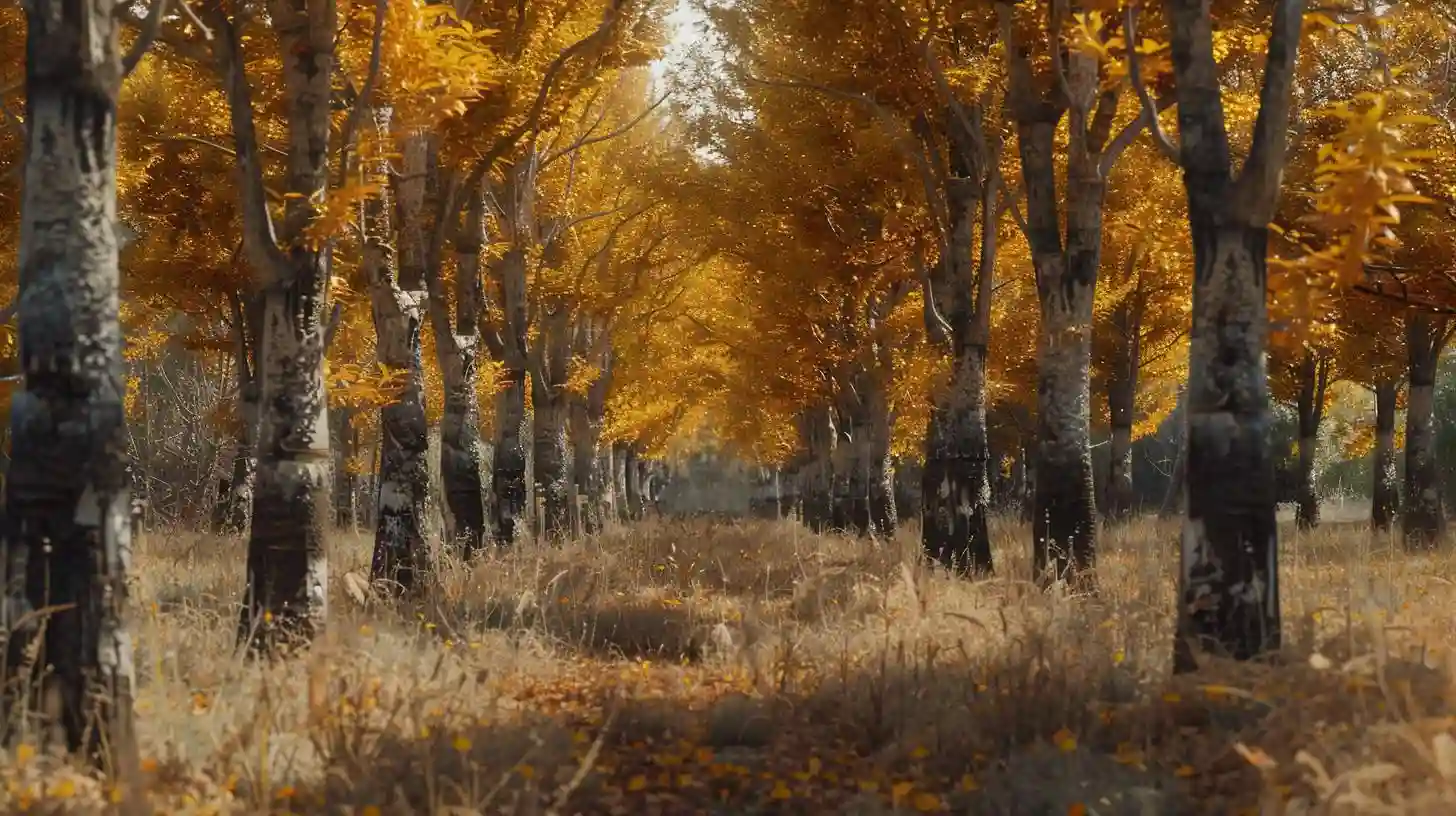
Populus euphratica, commonly known as the Euphrates poplar, is a tree species that occupies a significant ecological niche in arid and semi-arid regions of Asia, particularly along the banks of the large rivers and in floodplains where water is occasionally available. This species displays remarkable adaptability, thriving in conditions that many other trees would struggle to survive. Its unique characteristics and functions within the ecosystem make it not only an important plant but also a symbol of resilience in the face of harsh climatic conditions.
The Euphrates poplar is primarily found in the riparian zones of the major river basins, where its roots can access groundwater even during periods of drought. This deep-rooted structure allows it to absorb moisture that would typically be beyond the reach of many plant species, giving it a significant advantage in extreme environments. The tree can reach impressive heights, often growing tall and wide to take full advantage of light, which is particularly important in the dense communities of plants often found near rivers.
This species plays a crucial role in the ecology of its native regions. Populus euphratica forests stabilize riverbanks, which is essential for preventing erosion. As the root systems of these trees weave through the soil, they secure it, reducing the likelihood of landslides and sediment displacement. In this manner, the trees help maintain the structure of their environment, which is particularly important in areas that experience heavy flooding or severe drought conditions. Without the presence of these trees, many riverbanks would become unstable, leading to ecological degradation and loss of habitat for numerous species.
Moreover, these forests provide essential habitats for a diverse array of wildlife. Birds, mammals, insects, and other organisms find shelter within the canopies and trunks of the Euphrates poplar. Many species rely on these trees for nesting sites, while others depend on them for food or as elements of their migratory pathways. The presence of Populus euphratica not only enhances biodiversity but also supports the complex web of life that thrives within these ecosystems. The extensive root systems also contribute to soil health and fertility by facilitating nutrient cycling and improving the structure of the soil. This process is particularly vital in arid regions where soil quality can be poor and prone to degradation.
In addition to its ecological importance, the Euphrates poplar has had significant socio-economic value for local communities. The tree is a source of timber, which has been traditionally used for various purposes including construction and craftwork. Its wood is relatively light yet durable, making it a desirable material for local artisans. Communities that have historically relied on the Euphrates poplar have developed skilled craftsmanship, utilizing the wood for making furniture and various tools. This relationship between people and the Populus euphratica not only fosters economic activity but also encourages a deep cultural connection to the natural environment.
Additionally, the Euphrates poplar has been used in medicinal practices for centuries. The bark and leaves of the tree contain compounds that are believed to possess anti-inflammatory and analgesic properties, making them valuable resources in traditional medicine. Communities adjacent to these forests have, therefore, utilized the tree not just as a material resource but also for health and wellness, integrating it into their cultural practices and lifestyles. This intertwining of natural resources and local traditions adds another layer to the significance of these trees and their ecosystems.
However, Populus euphratica forests face numerous threats, primarily due to anthropogenic activities such as agriculture, urbanization, and climate change. Water diversion for irrigation has severely impacted these trees, as their survival is closely linked to the availability of groundwater levels, which are often lowered due to excessive water extraction. As human populations expand and their needs increase, the once-abundant Euphrates poplar forests are being reduced in size, putting additional pressure on the species and the ecosystems that depend on it.
Climate change poses another serious threat to Populus euphratica. Changes in precipitation patterns, increases in average temperatures, and frequency of extreme weather events such as droughts and floods can have devastating effects on these trees and their habitats. The natural resilience of the Euphrates poplar may not be enough to withstand the rapid environmental changes brought about by human activity, jeopardizing not only the species but also the many organisms and human communities that rely on it.
Efforts are being made to conserve Populus euphratica forests and restore areas that have been degraded. Various conservation programs focus on sustainable land management practices that prioritize the protection of these ecosystems. Community engagement is critical in the conservation process, as local populations are often the most affected by changes to their environment and have indigenous knowledge of how to sustainably manage natural resources. Education and awareness-raising initiatives about the importance of these forests can reinforce local stewardship, encouraging communities to take an active role in the conservation of the Euphrates poplar.
Moreover, reforestation programs aim to restore degraded areas by planting Euphrates poplar saplings and promoting natural regeneration. These efforts are not only crucial for restoring biodiversity but also for enhancing resilience to climate change. By improving the health of ecosystems, Populus euphratica forests can contribute to greater environmental stability, mitigating some of the impacts associated with extreme weather events.
Global initiatives focusing on biodiversity preservation and ecosystem health can further serve to protect Populus euphratica forests. International cooperation and funding can assist local regions in developing strategies that acknowledge the interconnectedness of ecosystems and the global significance of maintaining biodiversity. The engagement of various stakeholders, including governments, NGOs, and local communities, is essential to overcome the challenges posed by environmental degradation.
Ultimately, the Populus euphratica tree embodies resilience and adaptability in the face of adversity. Its forests provide crucial ecological services, support diverse wildlife, and foster cultural connections for local communities. Protecting and restoring these forests is vital for maintaining ecological balance and ensuring the survival of the myriad life forms they sustain. As environmental challenges continue to evolve, the importance of that stewardship, conservation, and respect for these unique ecosystems will only grow, underscoring the need for ongoing efforts to sustain them for future generations.