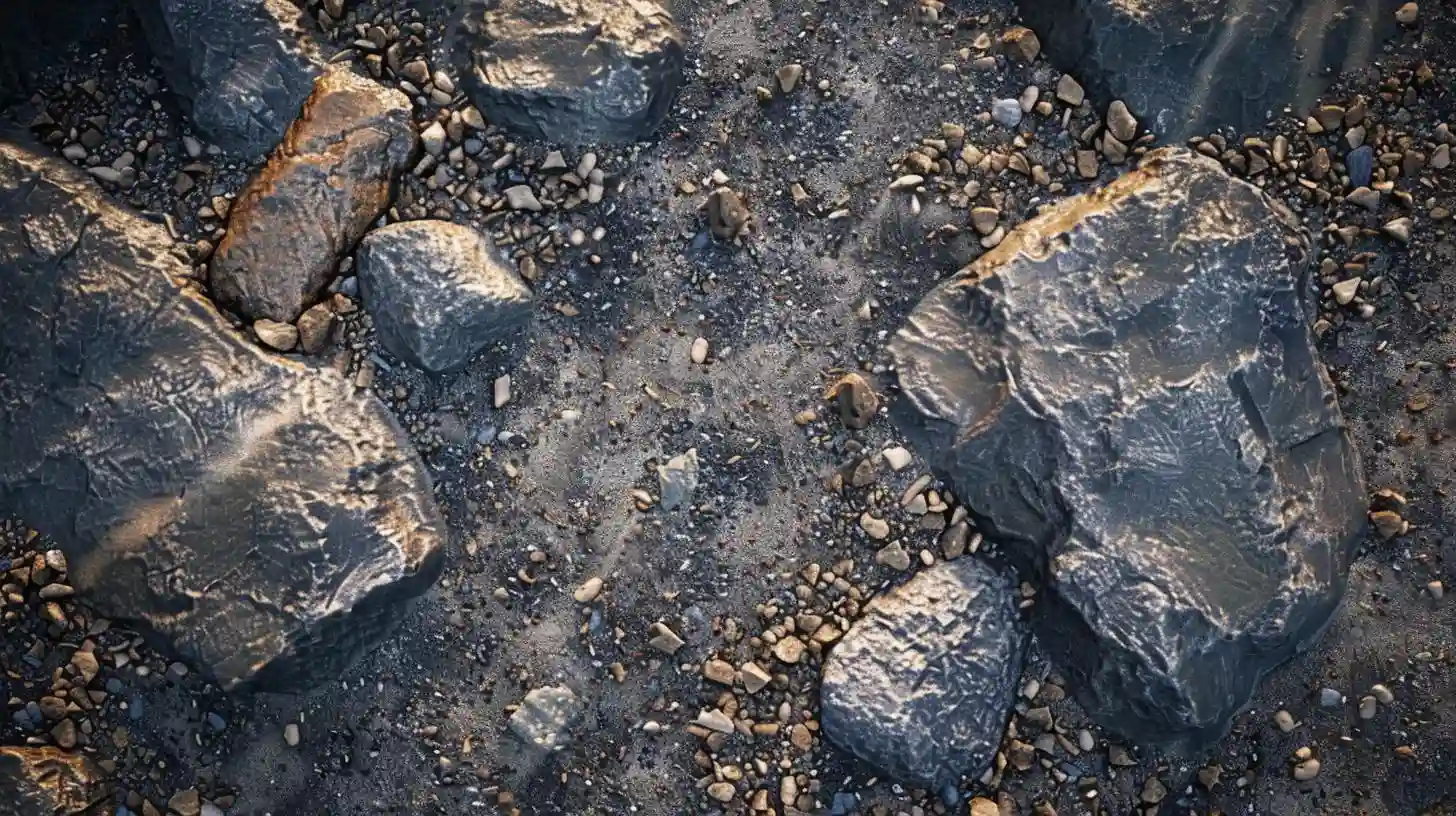
In the realm of geology and sedimentology, sand flow marks have drawn considerable attention due to their significance in understanding past environments, sediment transport mechanisms, and the deposition processes involved in sedimentary rock formation. These marks, formed by the movement of sand grains due to water or wind, reflect the dynamic processes of fluid dynamics acting upon particulate matter in natural settings.
Sand flow marks are typically found in sedimentary environments, particularly in areas where sand is subject to transport by wind or water. These marks are characterized by their unique structure, often appearing as ripples or dunes that illustrate the direction of sediment movement. The patterns they create can vary widely depending on various factors, including the energy of the transporting medium, the size and shape of the sand grains, and environmental conditions at the time of their formation.
In marine environments, sand flow marks are commonly associated with wave action and currents. When waves break, they create turbulence that lifts and transports sand particles along the seafloor. This movement results in the formation of distinct patterns that can be captured in layers of sedimentary rock. These textures not only reveal the direction of current flow but also provide insights into the energy levels present in the marine environment during different geological periods.
In contrast, in aeolian regions, where wind is the primary transport mechanism, sand flow marks take on a different character. Wind-driven sand transport can produce a range of features, including ripples, dunes, and more complex structures. The shapes and sizes of these features can indicate wind strength and direction, allowing geologists to reconstruct past wind regimes. Such analysis is crucial for understanding climate change and its impacts on desert environments.
The study of sand flow marks is not merely an academic endeavor; it has practical implications as well. For instance, understanding the characteristics of these marks assists in the exploration of oil and gas reservoirs. Sedimentary structures can act as reservoirs for hydrocarbons, and recognizing the features associated with sediment deposition helps geologists identify productive areas. This knowledge is crucial for energy resource management and extraction strategies.
In addition to natural settings, human activities have also influenced the formation and alteration of sand flow marks. Urban development, mining, and agriculture can disrupt the delicate balance of sediment transport processes. For example, when land is cleared for construction, the natural flow of sand can be altered, leading to changes in the landscape. Understanding how these activities impact sedimentary processes is vital for sustainable land use planning and environmental management.
Furthermore, the preservation of sand flow marks in the geologic record can provide valuable information about ancient ecosystems. Sedimentary strata often contain fossils and other organic remains, which can be related to the environmental conditions at the time of deposition. By studying the layering of sediments and the accompanying flow marks, researchers can glean information about changes in climate, sea level, and biodiversity through time.
The analysis of sand flow marks can be enhanced through technological advancements. Remote sensing and aerial photography allow scientists to observe large-scale patterns in sediment transport that may not be easily visible from the ground. Such tools facilitate the mapping of sand movement in coastal areas, deserts, and river systems, providing a broader context for understanding these dynamic processes.
Moreover, laboratory simulations play a crucial role in researching the formation of sand flow marks. By creating controlled environments where variables such as fluid velocity, grain size, and composition can be manipulated, scientists can reproduce and study the conditions under which these marks form. Insights gained from these studies help refine models of sediment transport and deposition, improving our understanding of natural systems.
Another fascinating aspect of sand flow marks lies in their role within broader geomorphological processes. These marks contribute to the evolution of landscapes over time. As sediment is deposited and removed, the topography of an area can change dramatically. The study of these changes helps in predicting future landscape evolution, which is important for hazard assessment in areas prone to erosion, flooding, or other natural disasters.
In addition, the aesthetic and recreational value of environments shaped by sand flows is an important consideration. Beaches and dunes are not only vital ecological habitats but also recreational spaces for millions of people worldwide. Understanding the dynamics of sand movement can aid in the conservation and management of these areas, balancing human use with ecological health.
The significance of sand flow marks stretches across various scientific disciplines, including earth sciences, ecology, and even archaeology. In archaeological contexts, sedimentary features often serve as indicators of ancient human activity. The interaction between humans and the environment can be inferred through the analysis of sediment layers, revealing patterns of settlement, resource use, and land management.
Climate change represents a growing concern for both the understanding and the preservation of environments where sand flow marks are prominent. As sea levels rise and weather patterns shift, the sediment dynamics of coastal and desert regions will inevitably be affected. Monitoring changes in sand flow marks can provide early indicators of these environmental changes, prompting necessary efforts for adaptation and mitigation.
Moreover, educational outreach plays a crucial role in communicating the importance of sand flow marks to the public. By engaging communities in discussions about sediment dynamics and land use, awareness about environmental stewardship can be fostered. Programs that incorporate experiential learning, such as field trips to important geological sites, can enhance understanding of these processes, highlighting their connection to broader environmental issues.
The study of sand flow marks continues to evolve, with ongoing research seeking to uncover new insights into sediment transport and deposition. As scientists tackle emerging questions about environmental change, energy resources, and ecological health, the importance of understanding the dynamics of sand movement remains paramount. By unraveling the complexities of these geological features, we can better appreciate the intricate relationship between natural processes, human activities, and the landscapes we inhabit and cherish. Such knowledge not only enriches our scientific understanding but also informs our efforts to live sustainably within the ever-changing tapestry of the earth’s surface.